


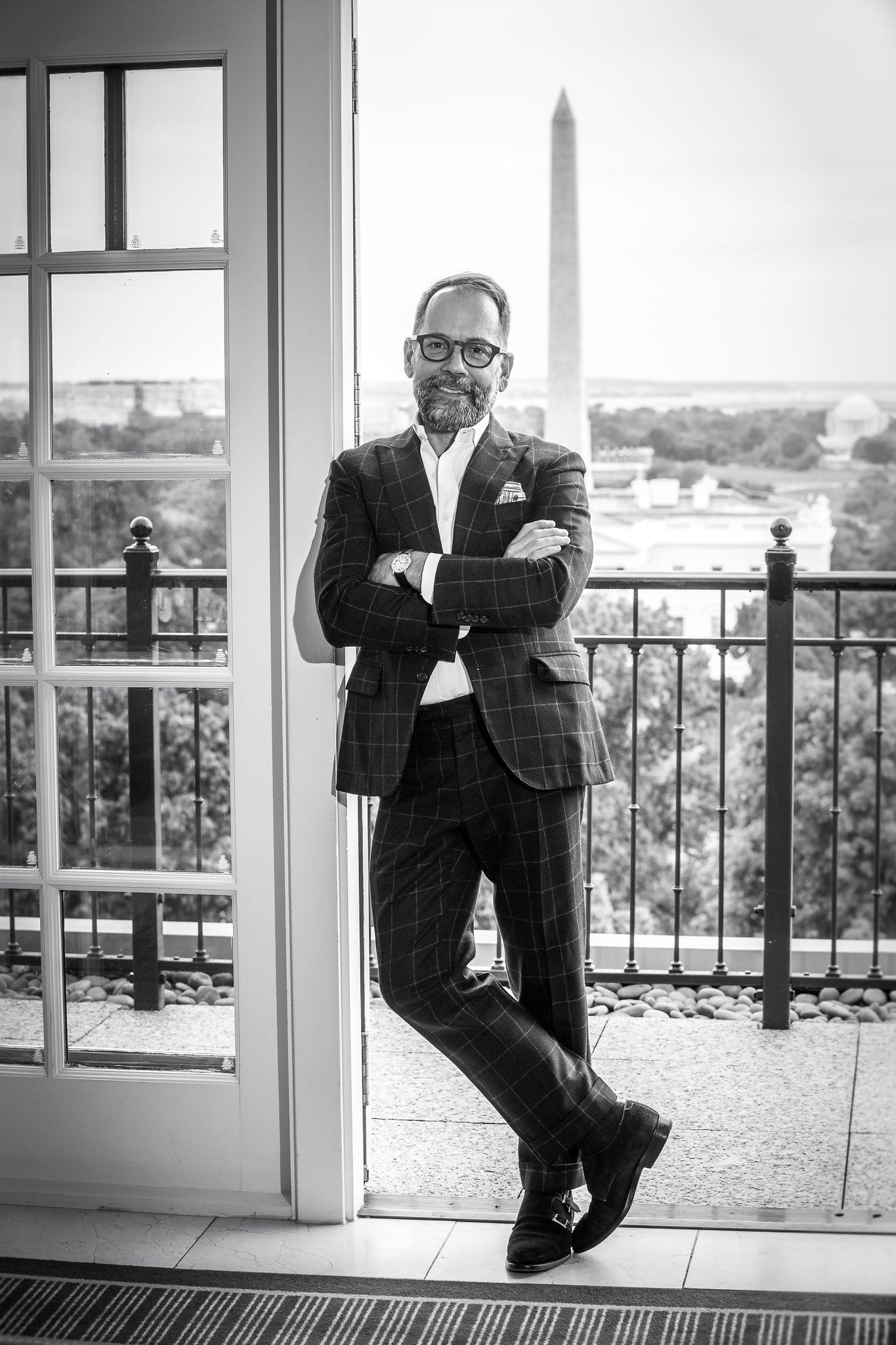
In a city where seating charts are soft diplomacy and a well-placed hot dog can hold the political weight of a Senate handshake, Philip Dufour has quietly become one of the most influential figures in Washington event-making. He is not just the maestro behind the velvet curtain; he’s the one who stitched it, fluffed it, and dimmed the lighting just so, to make even the most hardened Capitol Hill veteran soften.
Dufour's journey begins not in a boardroom or at a swanky Georgetown cocktail party, but in a high school gymnasium in Alexandria, Louisiana. As senior class president, he orchestrated prom dances and sock hops that didn’t just meet expectations—they subverted them. When others stored shoes on bleachers, Dufour repurposed Baskin-Robbins ice cream barrels into hand-painted keepsake bins. Even then, he was designing not just events, but experiences, moments embedded with thoughtfulness and surprise.
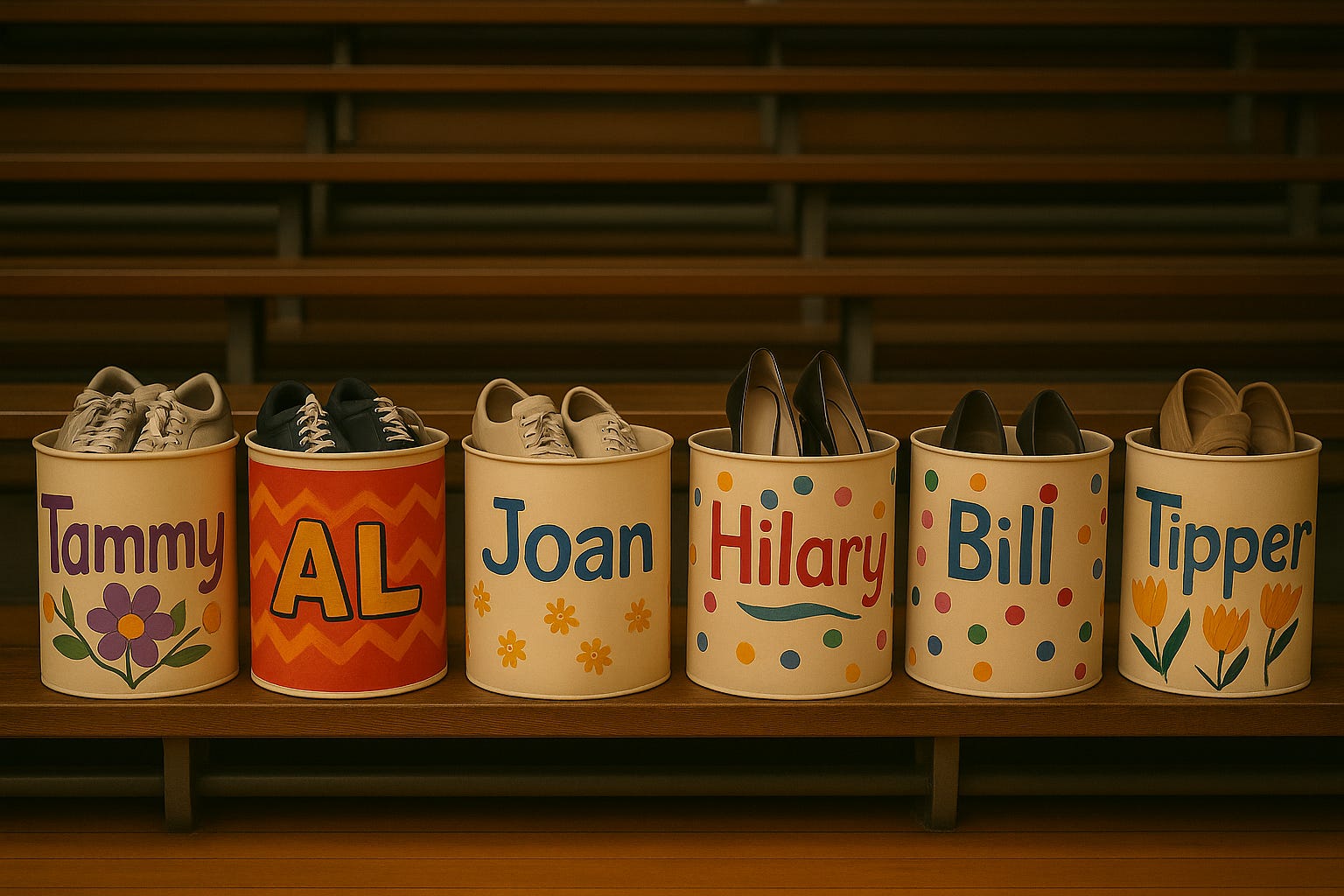
That through line of intention and hospitality would follow him all the way to Number One Observatory Circle, where he served as the first man to ever hold the title of Social Secretary to the Vice President. In fact, Dufour added the title himself, modernizing what had historically been known—since the 1970s—as the Residence Manager. Even Joan Mondale took notice, once joking about the change while traveling with the campaign. Dufour also held the role of Deputy Chief of Staff to Tipper Gore. While his official title connected him to the Office of the Vice President, it was his relationship with Tipper Gore that defined the most meaningful parts of his tenure. He handled her official schedule, traveled with her, and created spaces that reflected her deep commitment to causes like mental health and the arts. With Tipper, it wasn’t just protocol—it was personal.
Dufour credits his father—a top textbook salesman in Louisiana—for teaching him the art of authentic connection. Watching his dad navigate school principals and department chairs with grace and genuine curiosity left a lasting imprint. It was never about the transaction. It was about the relationship. That ethos stayed with him through campaigns and into the West Wing-adjacent roles he would soon inhabit.
Before taking on his White House role, Dufour went through what’s known in political circles as "advance training"—a kind of charm school for future event leads and staffers. It was here he learned how to prepare a site, manage press, brief a principal, and most importantly, read the emotional temperature of a room. These were not just tactical skills—they were emotional intelligences sharpened for high-stakes environments. That schooling shaped his style permanently.
Dufour brought that same focus to the Clinton-Gore campaign trail, where he made his mark by solving problems before others even recognized them. It was Dufour who decided to label staff luggage with large, orange HRC tags to prevent chaos at check-in. It wasn’t flash; it was foresight. He would come to believe that every event could—and should—be more efficient, more gracious, more human.
When he founded his own firm, originally named Dufour & Co., it was an homage to his personal signature. But he soon realized that the most transformative events weren’t authored alone. The best work came from a shared mind-meld between his team and his clients. So, he renamed it The Dufour Collaborative—a reflection not only of his methodology but of his personal value system.
The firm is based in Arlington, Virginia, perched just high enough to offer panoramic views of the Washington skyline. It’s a metaphor as much as a location—close enough to feel the pulse of power, but just removed enough to think clearly. The office itself is designed for collaboration, with open spaces, warm lighting, and a layout that fosters creativity over hierarchy. It’s not a war room; it’s a studio.
The Dufour Collaborative is selective. Dufour only takes on accounts that align with his ethics and worldview. He won't produce events for organizations whose missions run counter to his principles—whether on issues like immigration, LGBTQ+ rights, or reproductive freedom. In his words, if he can’t sleep with a decision, it’s not worth the fee. That moral clarity, rare in an industry driven by budgets and timelines, has earned him the respect of both clients and competitors.
Today, the Dufour Collaborative produces meticulously orchestrated gatherings for both commercial, non-profit and governmental organizations like last week’s first event AI Honors that is defining a new industry, the Elizabeth Dole Foundation and cultural institutions like the DVF Awards at the Library of Congress. He also brings the same touch to events for 10,000 attendees like the one he did for the 50th anniversary of Hip Hop for NMAAHC. But the reach of his experience extends far beyond the Beltway. During his time with the Gores, Dufour produced events across the globe—from Mexico City to Moscow, St. Petersburg, Cairo, Nagano, Paris and Tokyo. These were not just diplomatic appearances, but orchestrated moments of soft power, designed to honor place, people, and political intent. He is Washington-bred, but globally attuned.
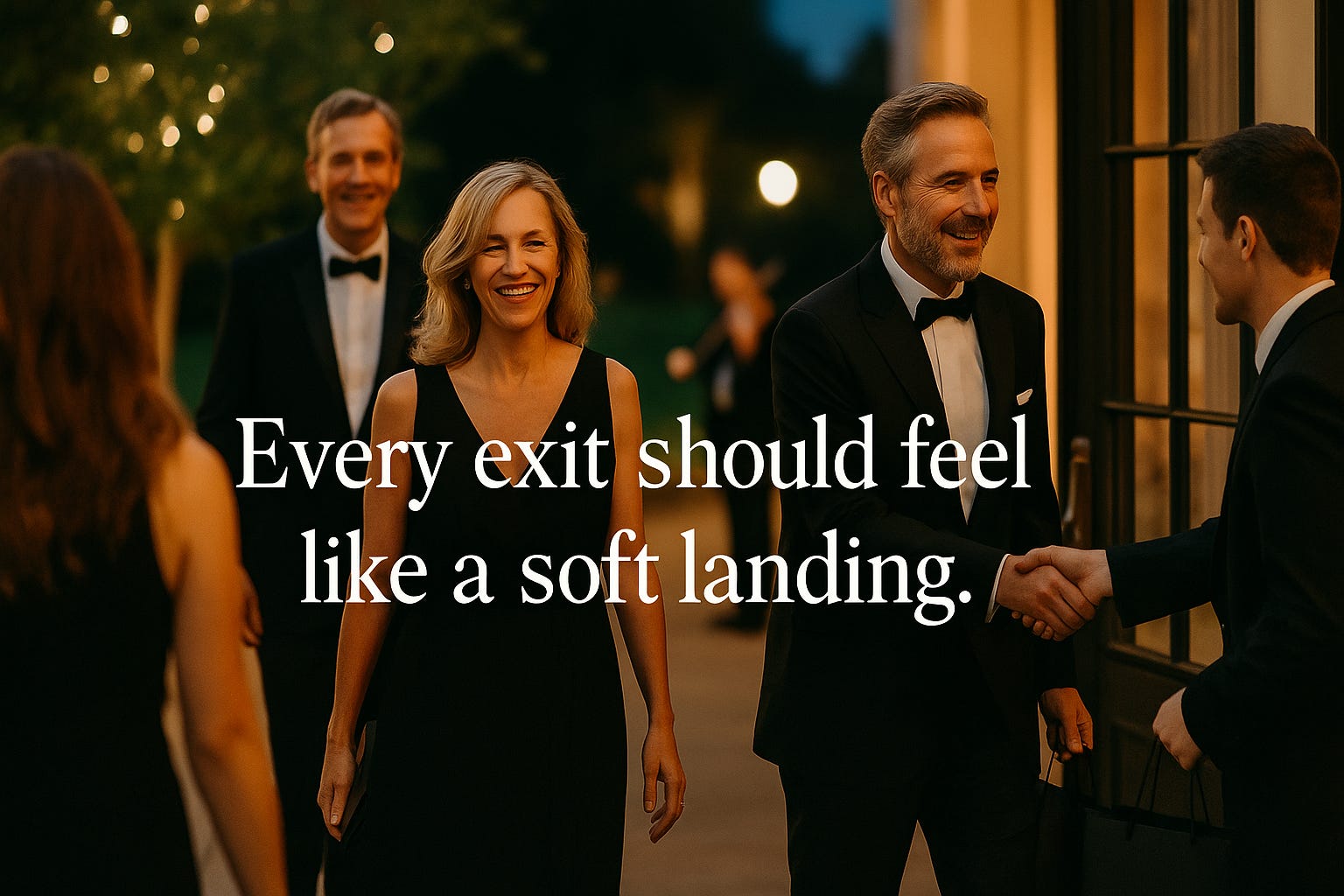
]Every event is rooted in what he calls "audience-first design." That means no detail is too small—from coat check to exit signage. He believes in the power of first and last impressions, often saying that the ten most important minutes of any event are the first ten and the last ten.
His rules are precise. Never use the term "VIP"—opt for more inclusive language like "honored guest." Escort cards? Differentiate them subtly with colors, not labels. Podiums? Avoid them when possible; they distance the speaker from the crowd. And no preset salads—because nothing makes a guest feel like a prop more than wilting romaine. "We’re in the business of making people feel welcome," he says. "That means they should feel seen."
He also understands the choreography of power. In D.C., where who sits next to whom could influence legislation, Dufour has become a quiet expert in matchmaking. During his time at the Vice President’s residence, he worked closely with the Department of State, orchestrating luncheons that paired cabinet officials with foreign dignitaries to facilitate soft diplomacy. Today, he brings that same logic to private sector events, understanding that sometimes the real work happens not in conference rooms, but over canapés.
And in Washington, food is never just food. It’s biography, branding, and sometimes bargaining chip. Dufour knows this instinctively. Whether it’s offering hot dogs—Nancy Pelosi’s self-declared favorite—to make her feel at home, or nodding to Ronald Reagan’s fondness for jelly beans at a bipartisan gathering, these gestures matter. They’re not just clever. They’re connective. Knowing the people in the room—what they eat, what they avoid, what comforts them—is part of the unspoken code of high-level hospitality. It’s not catering. It’s cultural fluency.
Dufour’s events have a sensory intelligence. He speaks of activating all five senses—touch, scent, sight, sound, and taste—to embed memory and emotion into the guest’s experience. From warm lighting to subtle fragrances to tactile linens, everything is curated with a psychological undertone. Neuroscience, he says, is central to his strategy. "We’re not just programming people’s evenings—we’re shaping their memories."
When he engages a new client, the process begins not with a proposal but a conversation. The first meeting is about discovery, not pitch. Dufour and his team ask a series of layered questions: What’s the mission? What emotional state should guests leave in? Who are the stakeholders? How does this event align with your organization’s core identity? Only then does the strategy begin. He often says, "We become one with the client," and it’s not just rhetoric. He dives into their world, learns their language, understands their hierarchy, and only then starts to design the moment.
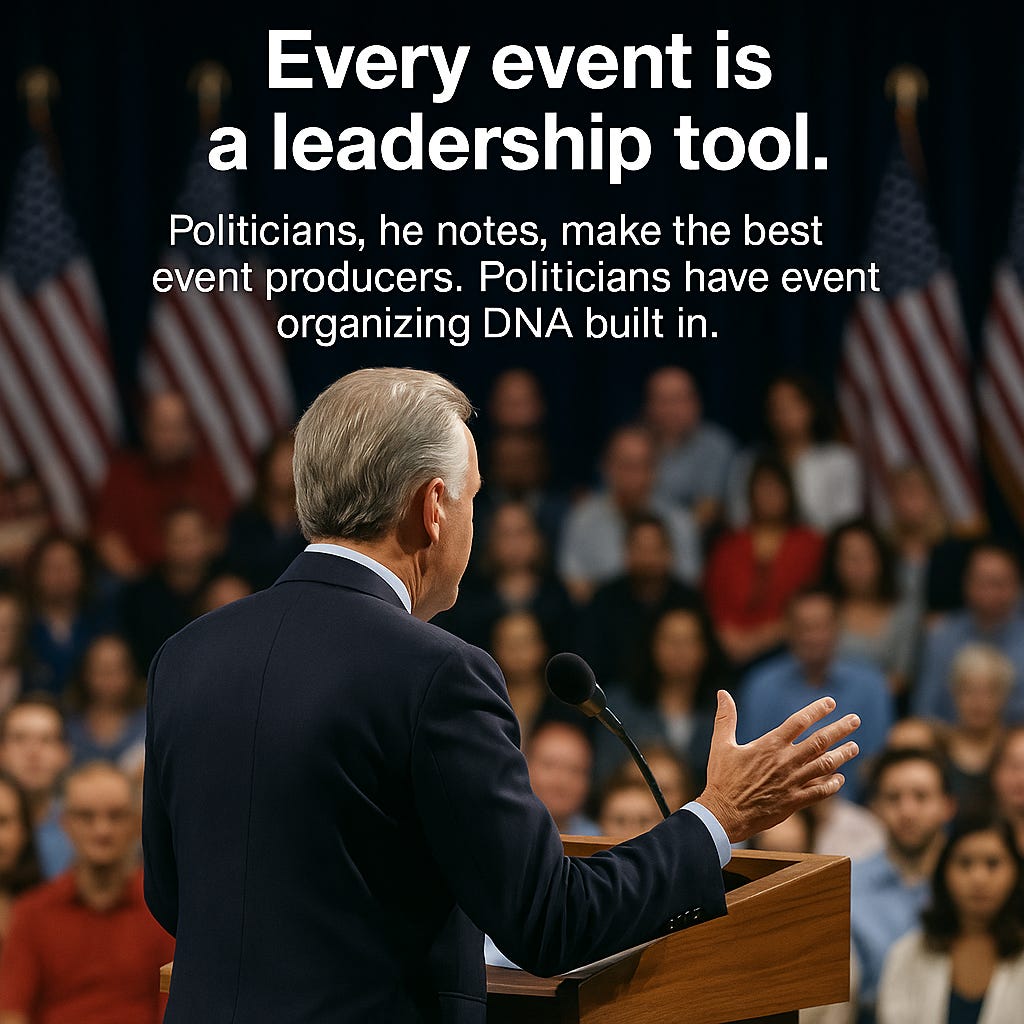
He also champions the idea that every event is a leadership tool. Politicians, he notes, make the best event producers. "They understand how space, seating, and symbolism influence perception. They know that who you sit next to matters—and that a well-timed pause in a speech is as powerful as a policy paper." That same DNA runs through his firm.
Dufour’s meetings with clients are more like discovery rituals. He asks hard questions. What are you trying to change with this event? Where do you want your guests to be emotionally when they leave? What’s the follow-up to this moment? He doesn’t believe in cookie-cutter galas or standard conference formats. If an event isn’t designed to move people—emotionally or intellectually—it’s just noise.
Yet despite his reputation, Dufour doesn’t posture. He speaks softly, listens well, and often redirects praise to his team. His collaborators describe him as a calming force, someone who knows how to manage big egos without shrinking the room. He is, as one colleague said, "a conductor who knows how to let the orchestra shine."
Ask him what makes a great event and he’ll say: collaboration, clarity, and kindness. The rest is just logistics.
And so, in a town full of power players and scripted moments, Dufour remains Washington’s quiet orchestrator—curating connection, grace, and meaning in a place that so often forgets all three. That reputation, once born in the political wings of D.C., now travels fluently across diplomatic borders, if not to Davos—at least as far as Tokyo and Cairo.
Because even here, even in the land of security checkpoints and talking points, he believes transformation still begins with a name tag, a smile, and just maybe, a perfect little bonbon at the end of the night.
Philip Dufour, The Dufour Collaborative
Relationships always come first—before strategy, budget, or even run-of-show.
Don’t just plan an event; choreograph a feeling—from the first 10 minutes to the last 10 seconds.
Inclusion is perception: skip 'VIP' labels and design dignity into every detail.
Food is biography—use it as connection, memory, and meaning.
Titles matter. Philip Dufour reshaped his role by naming it with intention.
Global sensitivity starts with knowing who’s in the room, even if the stage is local.
Neuroscience, not novelty, builds emotional resonance.
Event professionals are political tacticians in disguise.
The best collaboration? Making the client feel like your idea was theirs all along.
A great event ends with grace—and sometimes with a bonbon.
For more information or to connect with The Dufour Collaborative, visit dufourcollaborative.com. The office is located in Arlington, Virginia. Inquiries may be directed to info@dufourcollaborative.com.