


The Crisis Game Plans on GatheringArchitecture.com cover 34 situations, from an attendee collapsing in the middle of a keynote to a fake copy of your event site taking ticket money. Each one lays out what happens, the first moves with their real costs, and what to prepare before the day. The point is to settle in advance who decides and who does what in the first ten minutes, when nobody has time to ask. They are a public service, free with no signup, for anyone who hosts anything. [

I wasn’t at the White House Correspondents’ Dinner in April, but I watched it as an organizer does, asking who had the authority to act in the first ten minutes. It was chaotic. Plenty of people in our industry take safety seriously and do a great job, and so do companies like Freeman, GES, and Encore and the convention centers and venues that host us. This is not a criticism of them, and the more voices on the subject the better, because talking it through in advance lowers the cognitive load when something actually happens.
My focus is the organizer community, which is so massive that good practice has to reach every nook and cranny of it, including the people running the smallest events. It also has to go up the ladder to the ultimate organizers, the trade show owners, brands, political campaigns and others who put events on, who should have this tool too. I would rather we write down what good looks like before the next bad night than improvise it in public.
That is the why of GatheringArchitecture.com: a reference bookshelf for the gathering industry, where what the people who run these rooms know gets written down, tested, and shared. The crisis game plans are its first shelf.
They are a first draft, and I need your help. Tell me what is wrong, tell me what is missing, and above all tell me about the crises of the AI era, such as the cloned voice, the fake alert, and the hoax that spreads faster than the facts, so we can build them in. Tell me, too, what you would do in the first ten minutes of any of them. Write to me at david@gatheringpoint.news or just comment where ever you see this.
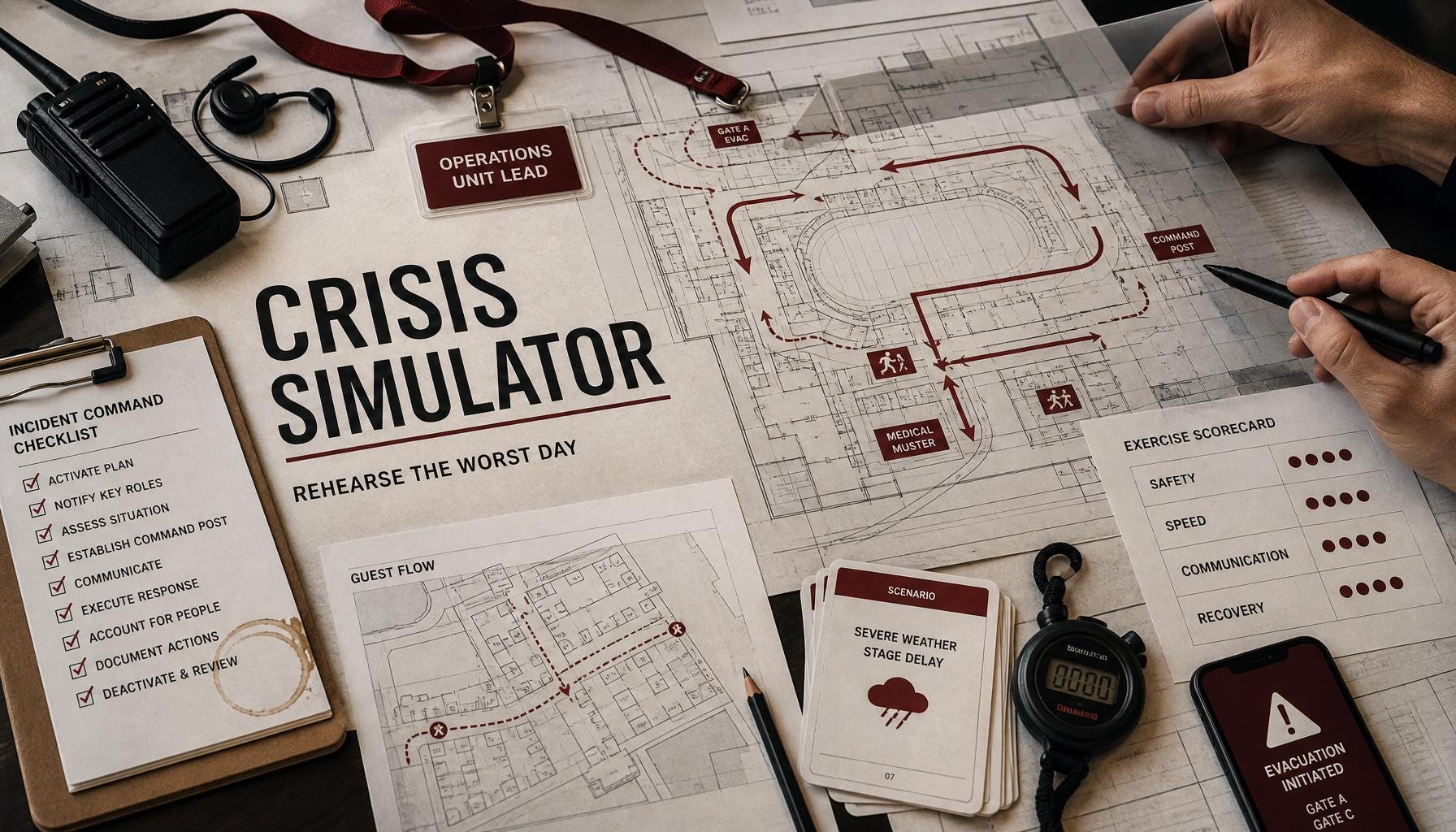
Safety & First Response
Attendee Collapses During Keynote — An attendee collapses in the middle of a packed keynote session. 800 people are watching. You’re the event director backstage.
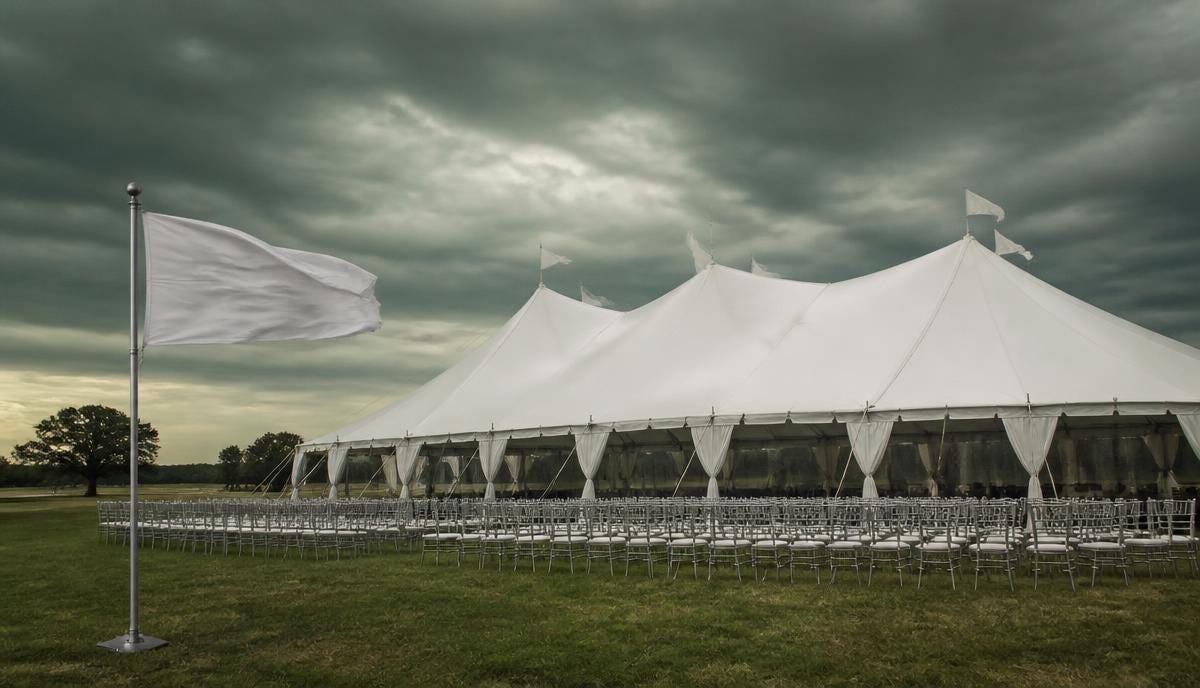
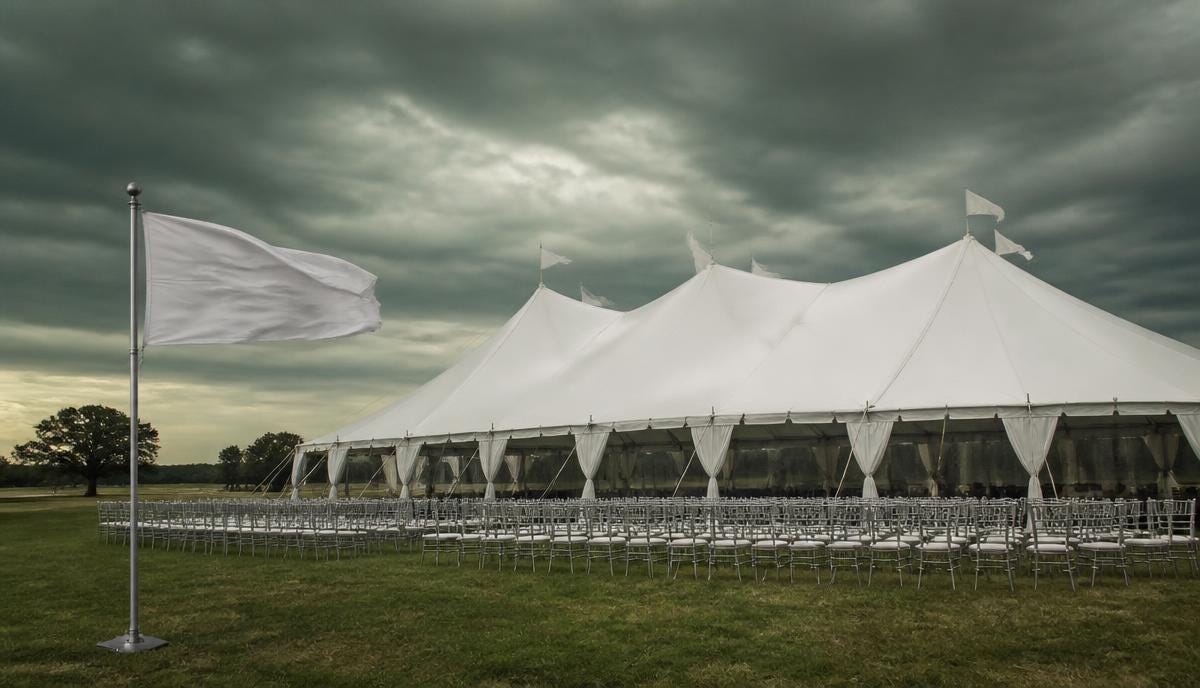
Tornado Warning During Outdoor Festival
— A tornado warning is issued for your area during a 5,000-person outdoor corporate festival. You have 15 minutes before potential impact.
Severe Allergic Reaction at Lunch Service — An attendee goes into anaphylaxis during the catered lunch. They noted a nut allergy on registration — but the caterer mislabeled a dish. 300 people are eating.
Fire Alarm Triggers Mid-Session — Fire alarm sounds during a packed afternoon plenary. Sprinklers haven’t activated. No smoke visible. Venue staff aren’t responding to the radio.
Attendee Reports Harassment by a Speaker — An attendee comes to your team in tears: a featured speaker made unwanted advances at last night’s reception. The speaker is on the program in 90 minutes.
An Attendee Dies at Your Event — Despite immediate care, a delegate dies on site. His colleagues are in the building, his family is on another continent, and 900 people are waiting for the afternoon plenary.
Sixty People Are Sick Overnight — Your hotline logs 60 attendees with vomiting and diarrhoea before 7am. Day two starts in two hours and nobody knows yet whether it is the food, the water, or a virus moving person to person.
A Child Is Missing in the Venue — A parent at your family day cannot find her seven-year-old. It has been eleven minutes. The venue has four exits, a car park and a canal along one side.
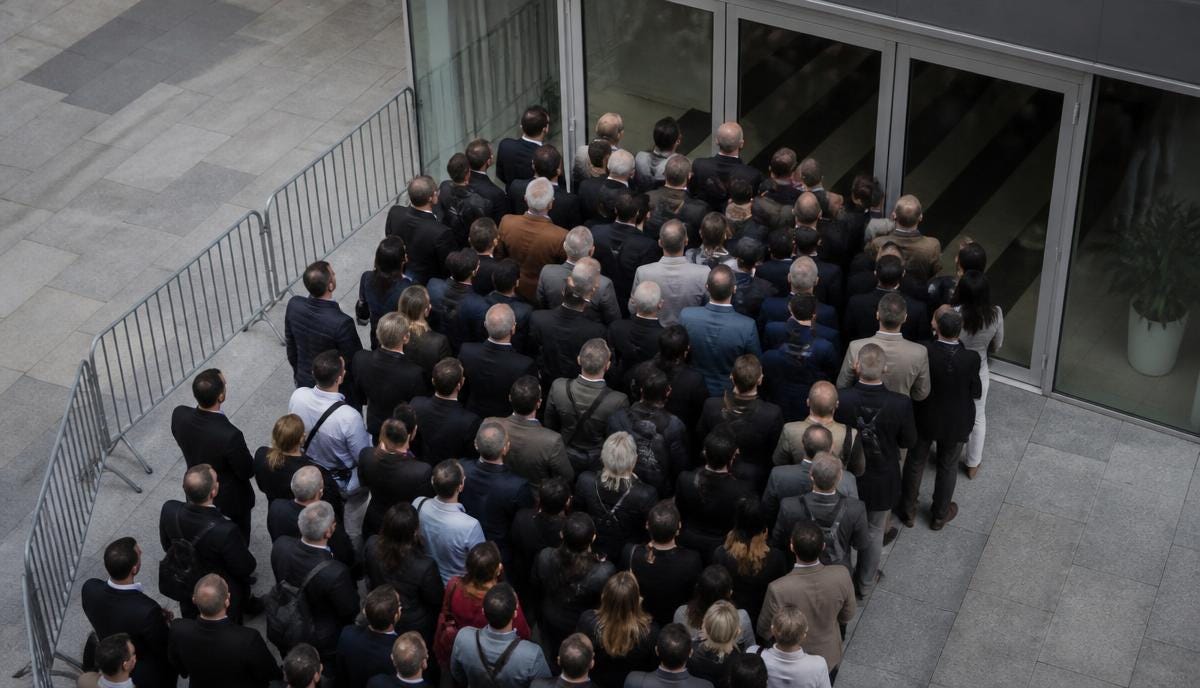
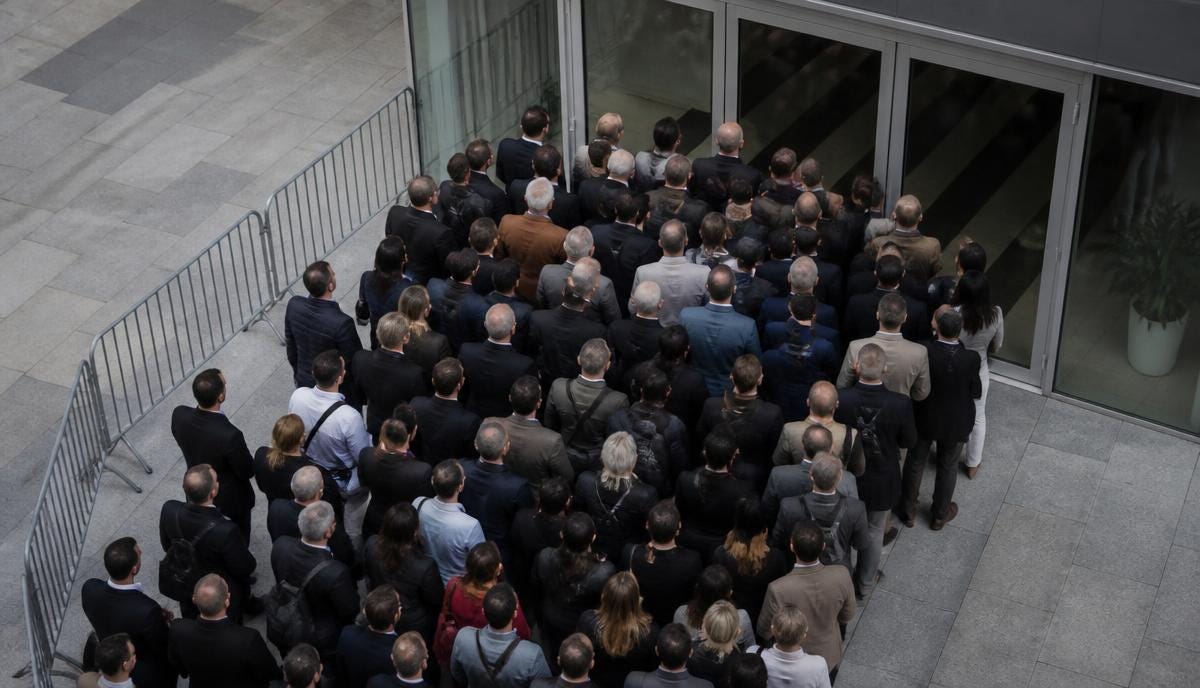
The Crowd Is Surging at a Single Entrance
— Two thousand people are pressed against one entrance twenty minutes before doors. The front rows can no longer move their arms and someone has fallen.
Violence Erupts in the City Where You Are Meeting — A shooting two kilometres from your venue has killed several people. Your attendees are hearing sirens, reading alerts, and asking whether to stay in their rooms.
Accessibility & Inclusion
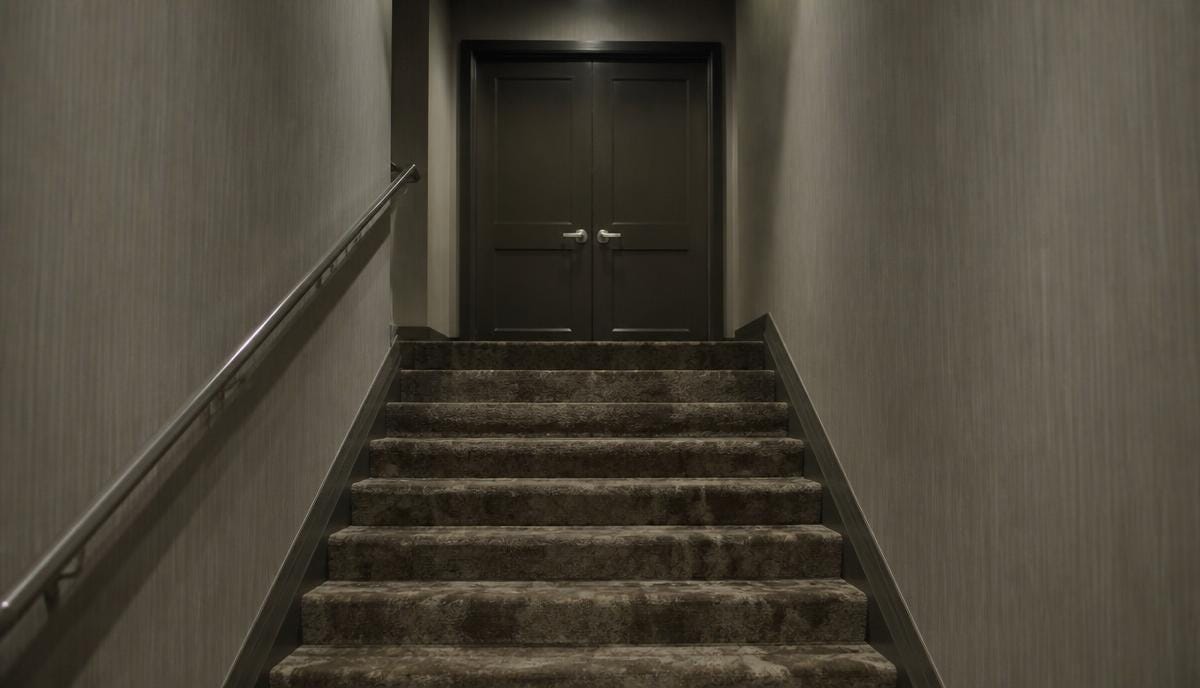
Wheelchair User Locked Out of Breakout
— A wheelchair user arrives at a breakout session to find stairs are the only access. They’re a VIP sponsor representative. Other attendees are watching.
Event Operations
Total AV Failure Before Opening Keynote — 10 minutes before the opening keynote, your entire AV system goes dark — no projector, no sound, no confidence monitors. Your CEO is the opening speaker.
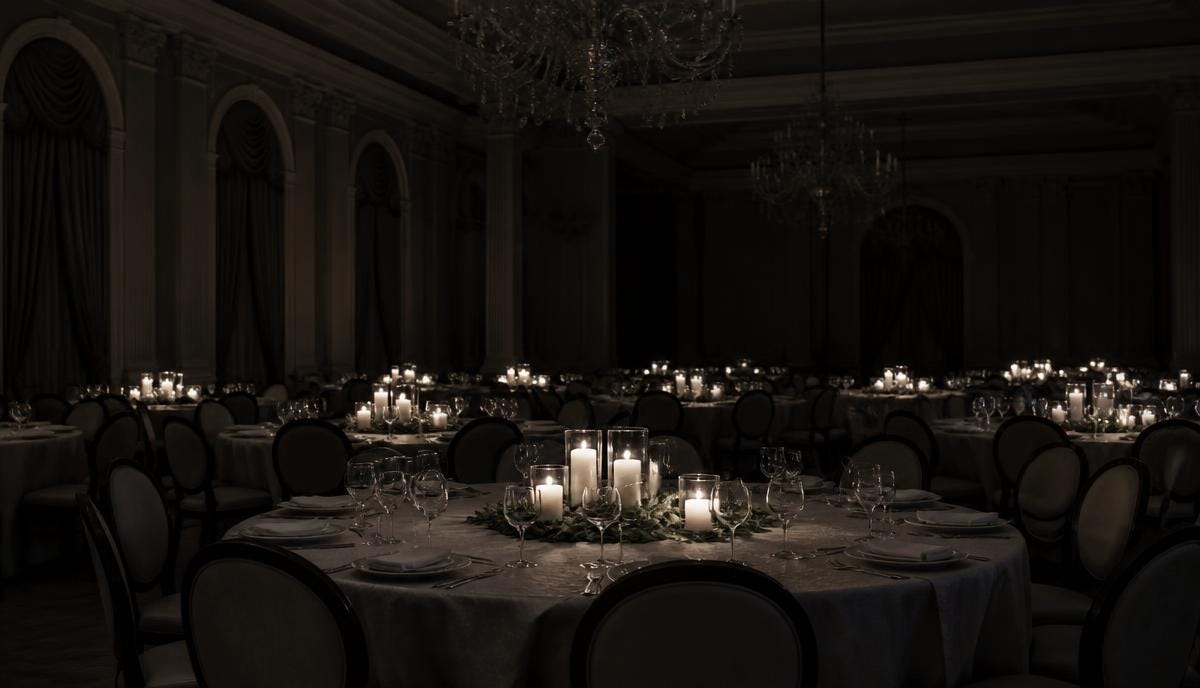
Total Power Failure During Gala Dinner
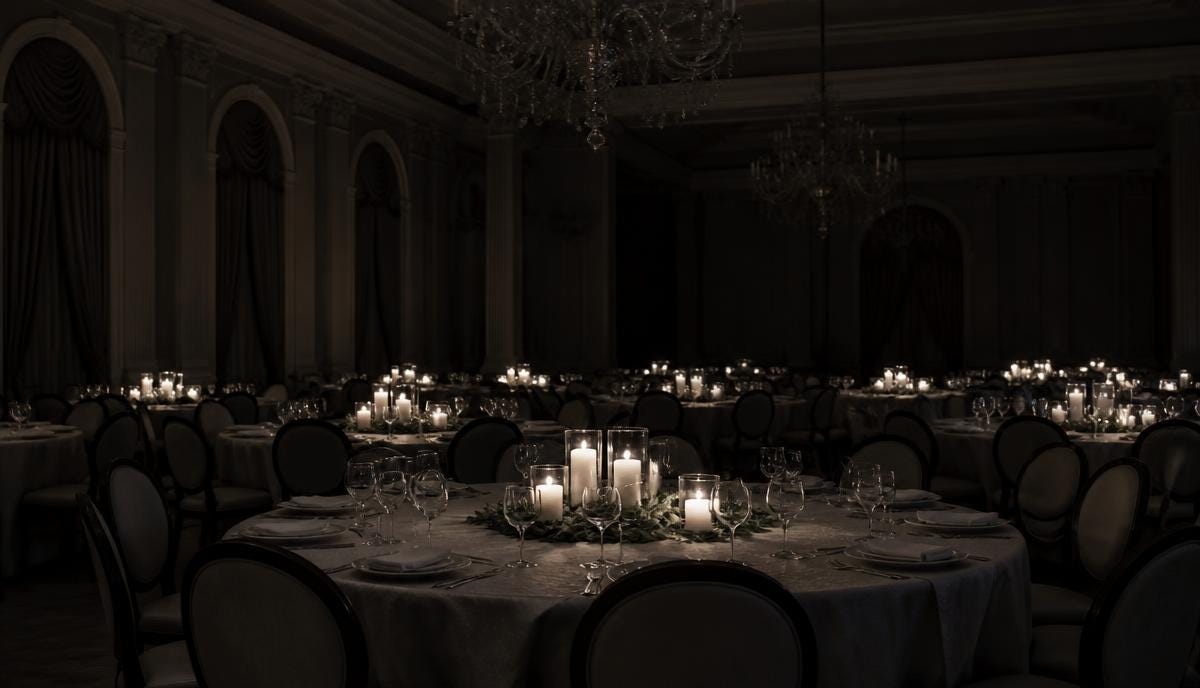
— Mid-dinner, the entire venue loses power. 600 guests, dark ballroom, hot food in the kitchen, and the keynote was 10 minutes away.
Keynote Speaker Doesn’t Arrive — Your headline keynote is supposed to take the stage in 30 minutes. They’re not at the venue, not answering, and their flight landed three hours ago.
Live Translation System Crashes — Your simultaneous interpretation system fails 5 minutes into a multilingual plenary. 200 of your 600 attendees rely on it.
Caterer Doesn’t Show for Lunch
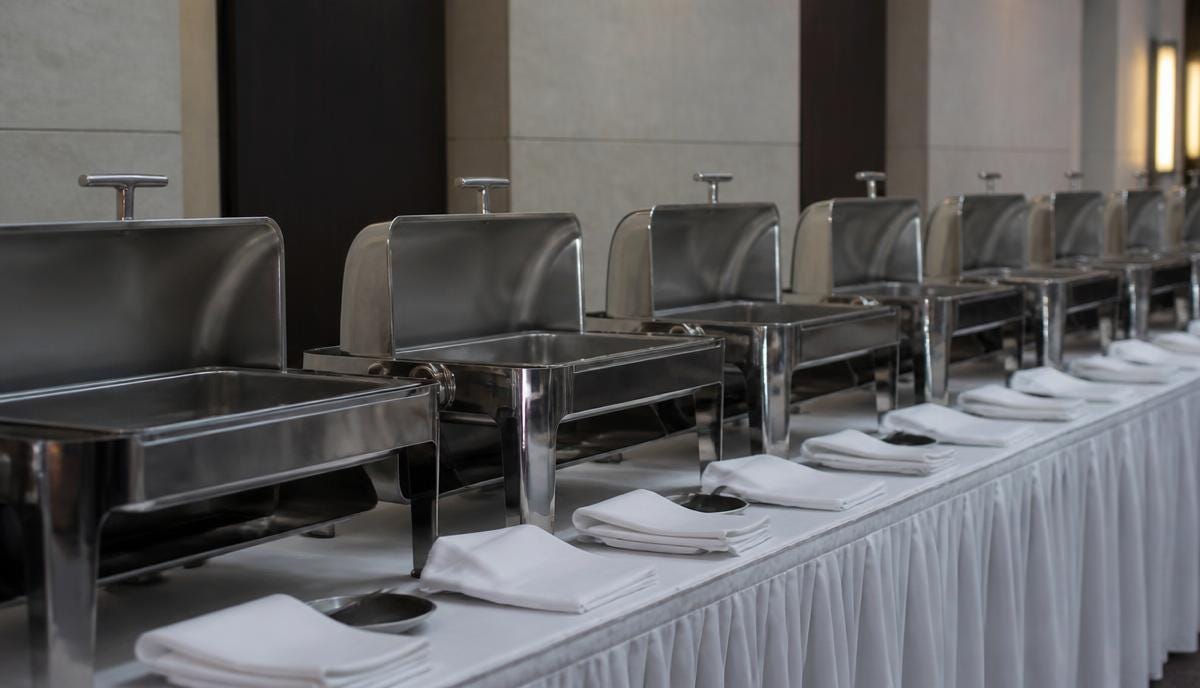
— It’s 11:45 AM. Lunch was supposed to arrive at 11:30. Caterer’s phone is off. 500 attendees break for lunch in 30 minutes.
You Lose the Venue Six Days Out — A burst main has flooded your main hall. The venue says it cannot host you. Eight hundred people are booked, ticketed and flying in on Thursday.
A Strike Strands a Third of Your Attendees — A national rail strike and a snowstorm have combined the night before. Two hundred attendees, three of five keynote speakers and your AV crew cannot reach the city.
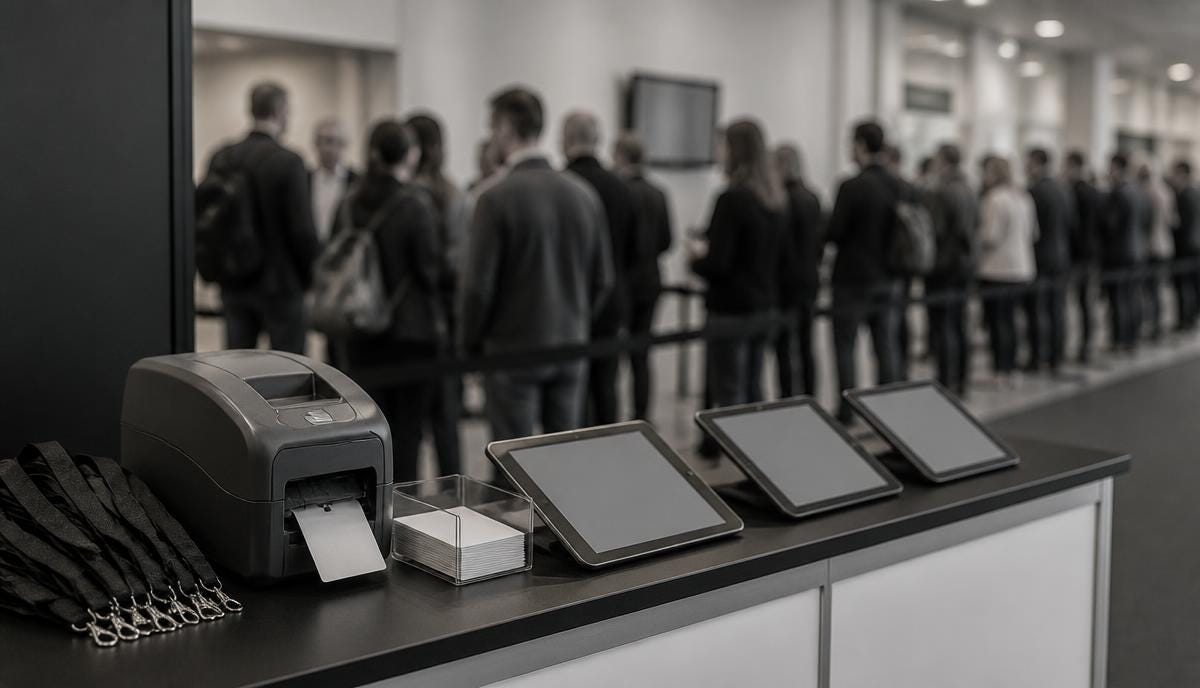
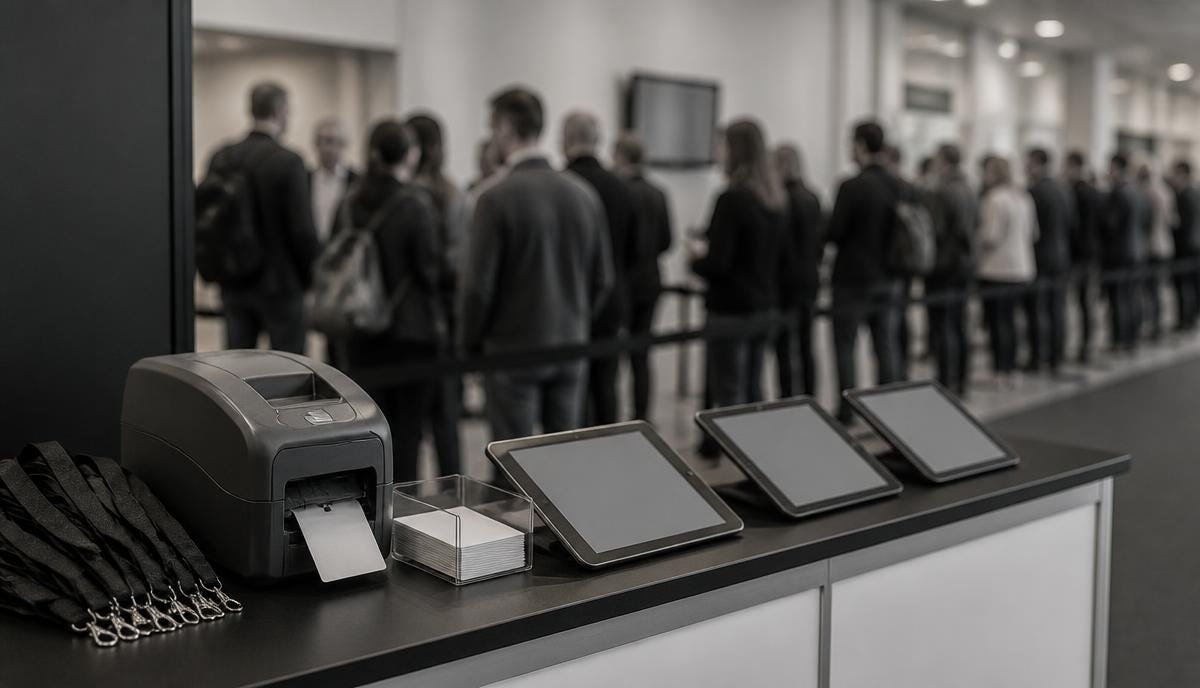
Registration and Payments Fail With 2,000 People in Line
— Your check-in platform and card terminals both go down at 08:10. The badge printers have no data, the queue is out of the building, and the opening session starts at 09:00.
Security
Aggressive Intruder at Registration
— An unauthorized individual becomes aggressive and threatening at the registration desk after being denied entry. They’re shouting about a speaker who ‘ruined their career.’ 200 attendees are in the lobby.
Activist Group Storms the Main Stage — A coordinated activist group (similar to Climate Defiance) rushes the main stage during a high-profile keynote, unfurling banners and chanting. 600 attendees are watching. Media cameras are rolling. The speaker freezes.
Bomb Threat Emailed to the Venue
— Venue security forwards an email received 20 minutes ago: a credible-sounding bomb threat naming your event by name. Police have been notified. They’re asking what you want to do.
Unauthorized Drone Filming Outdoor Event — An unidentified drone is hovering low over your outdoor festival. It’s distracting performers, alarming guests, and clearly filming. Your security team can’t locate the operator.
Medical Emergency Inside a Locked Security Perimeter — A head of state’s protective detail has locked down the venue. No vehicles in or out — including ambulances. A guest collapses with a cardiac event in the back of the hall, and the nearest paramedics are staged outside the hard line.
Crisis Communications
Keynote Speaker Makes Offensive Remarks — Your headline keynote speaker makes a culturally insensitive joke that offends a significant portion of the audience. People are walking out. Social media is lighting up in real-time.
Negative Incident Goes Viral During Event — A video of a heated confrontation between your staff and an attendee over a seating dispute goes viral mid-event. The clip is edited to make your team look aggressive. Journalists are calling. Sponsors are nervous.
Title Sponsor Threatens to Pull Out Mid-Event
— Your title sponsor’s CEO is furious about a panelist’s on-stage comment criticizing their industry. They’re threatening to pull funding and walk out — with their 30-person delegation — in front of cameras.
Attendee List Leaked Online — An attendee posts a screenshot showing the full delegate list — including private emails and dietary requirements — is publicly accessible via your registration platform.
Attendee’s Negative Thread Goes Viral During Event — An attendee with 200K followers posts a viral thread mid-event detailing real grievances: queues, AC, food, accessibility. It’s gaining traction by the minute.
Your Award Recipient Is in the News Overnight — The person you are honouring tonight is the subject of a serious investigative story published at 06:00. Six hundred people, three sponsors and two reporters are coming to dinner.
AI & Technology
Deepfake of Your Keynote Speaker Spreads Mid-Event
— A convincing fake video of your keynote speaker saying something inflammatory is circulating in the event hashtag. It was never said. She goes on stage in 40 minutes.
A Fake Version of Your Event Site Is Taking Attendees’ Money — An AI-built copy of your registration page, one letter different in the domain, is selling tickets that do not exist and harvesting passport details.
AI Notetakers Are Recording Your Off-Record Session — Halfway through a closed, off-record roundtable you notice three AI transcription bots in the hybrid link — and one participant’s laptop is quietly recording the room.
Your Speaker’s Statistics Were Invented by a Chatbot — A speaker is presenting striking figures with citations that do not exist. An academic in row three has already checked two of them and is standing up.
Amazed at the volume you continue to publish, David! 👏