


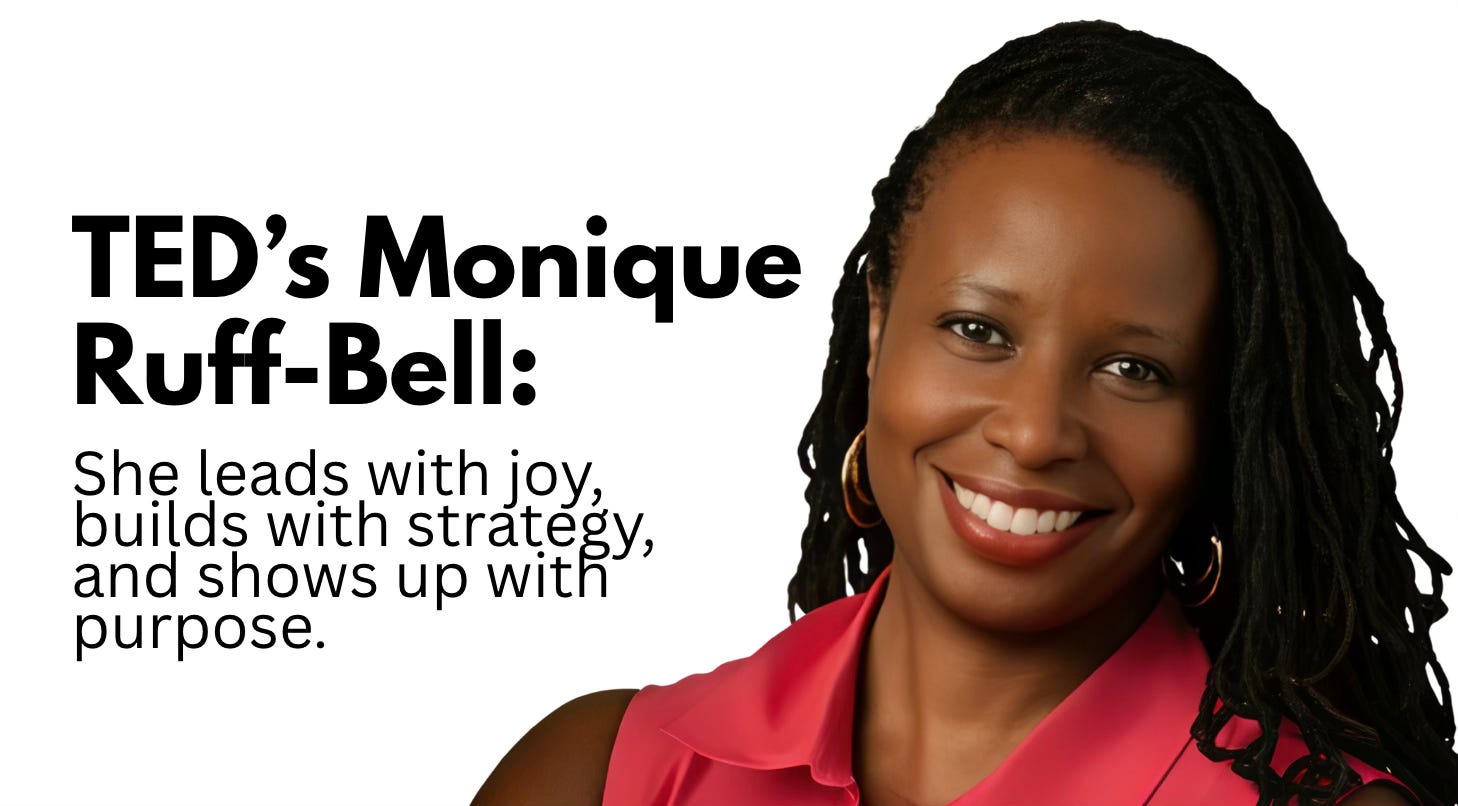
It started with a cheer.
Fifth grade. Edge of the gym mat. Arms locked. Lungs loud. Monique Ruff-Bell wasn’t just trying out for the squad. She was testing a theory: that energy, when shared right, could move people. That leadership wasn’t about being the loudest, but knowing when to be the spark and when to be the fuse.
She made the team. Then became co-captain. Then captain. And, in ways no one could have predicted, never really stopped. She was choreographing joy before she knew she was engineering engagement. Decades later, she still is.
Before the boardrooms, there were living rooms. Holiday gatherings. Television sets where little Monique, in elementary school, would leap in front of the screen to perform for her family. Her aunt joked that they couldn’t watch a program without Monique turning it into a one-girl show. She was magnetic. Curious. A self-starter long before that term was ever attached to resumes. And crucially, she was never told she couldn’t.
“I never had anyone say I wasn’t good enough. I wasn’t raised with limits,” she recalls. The freedom to try, to go out for the school play or the cheer squad or anything else, was granted without hesitation by the people around her. That belief became ballast. And the first major lesson came early: people don’t always listen just because you’re in charge. They listen because they like you. Because they trust you. Because you understand what motivates them.
So she learned. Learned that humor disarms, that attention is a current to be guided not seized, that listening is an active leadership trait. In fifth grade, she was already experimenting with management styles that would one day shape global conversations.
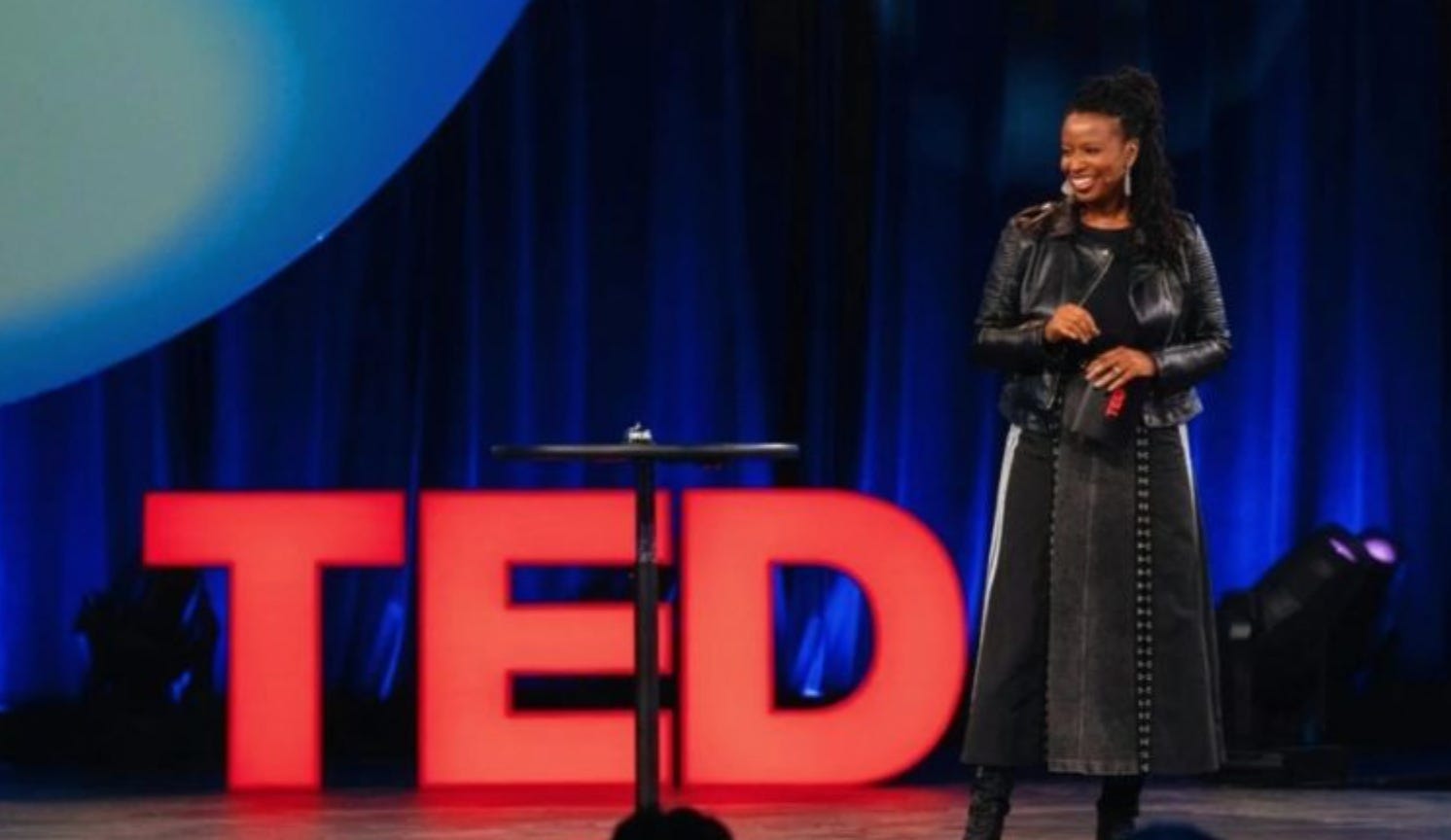
Today, as the Chief Program and Strategy Officer at TED, Ruff-Bell stands at the crossroads of cultural programming and executive design. She isn’t just curating ideas worth spreading. She’s building systems that make curiosity contagious, inclusion irresistible, and impact inevitable. But her rise through the event world wasn’t scripted by consultants or plotted through the usual corridors of power. It was self-forged. Operatic in its ambition, precise in its turns.
And the rooms she entered helped rewire the event industry itself.
Before TED, there was Money20/20, where Ruff-Bell helped engineer one of the most emotionally charged, UX-driven business events in the world. “The founders Jonathan Weiner and Anil Aggarwal weren’t event people,” she says but that was their strength. They didn’t treat the event as a cost center. They treated it as a product.”
In those years, Ruff-Bell learned to design retention before registration. She saw firsthand how to produce conferences as loyalty engines, where surprise, cinematic scale, and deliberate participation turned attendees into evangelists. It was a form of emotional engineering — and she was at its core.
“I was the plumber,” she laughs. “The mechanic. I unclogged the pipes so the ideas could actually flow.”
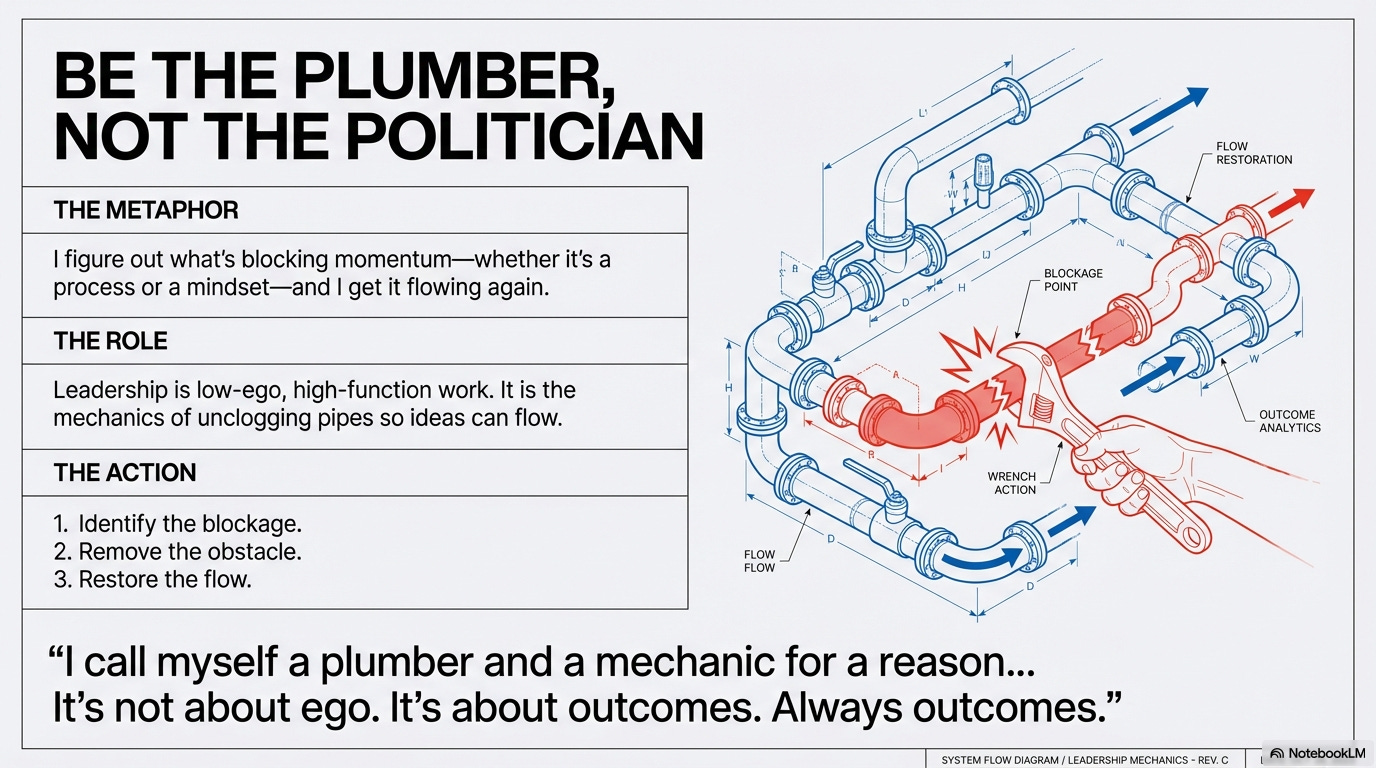
It was a metaphor, but it stuck. She didn’t arrive with pedigree. She arrived with instincts. And it was those instincts — part operational, part emotional — that now animate TED’s current transformation under Sal Khan, the founder of Khan Academy and TED’s new steward.
When Khan stepped in, TED wasn’t broken. But the world around it was changing. The question became: how does TED go from “nice to have” to need to have?
Ruff-Bell is part of the internal working group reimagining that next 20-year horizon.
The answer, she believes, lies in intentionality. “We used to ask: will this drive attendance?” she says. “Now we ask: will this change how someone thinks?”
This shift is about more than TED. It’s the continuation of a rewiring that began with Money20/20. Where traditional event companies obsessed over logistics, Weiner, Aggarwal, and now Khan built for resonance. The speakers were coached like athletes. The audience experience was designed like UX. Emotions weren’t byproducts. They were the blueprint.
And Ruff-Bell, with her mix of PMA (positive mental attitude), fifth-grade cheerleading theory, and veteran-level execution, emerged as one of the few people who could turn that theory into system.
Her management style, she says, is rooted in movement. In getting people unstuck. “I call myself a plumber and a mechanic for a reason,” she says. “I figure out what’s blocking momentum — whether it’s a process or a mindset — and I get it flowing again. But it’s not about ego. It’s about outcomes. Always outcomes.”
But there’s another layer to her leadership. Authenticity. She leads as herself. Not a persona. Not a projection. Her warmth, directness, and humor are part of her toolkit. “You can’t move people if they don’t trust you,” she says. “And people don’t trust you unless you show up real.”
That trust is what allows her to take teams from execution to transformation. She shifted long ago from the goal of putting butts in seats to shaping ideas that shift minds. She wants events to move the world forward, not just fill hotel blocks. “If you do it right, people don’t just attend. They remember. They rewire.”
“People don’t listen unless they feel seen,” she says. And it’s not just a philosophy. It’s a framework. It explains why TED has a no-phone rule during mainstage talks. Why every speaker rehearses obsessively. Why Monique, herself a host and stage presence, watches the audience more than the speaker. “Leaning in,” she notes, is an observable KPI.
From the stage, she reads the room like a seasoned performer. At Money20/20, she learned how to detect the rhythm of energy spikes—when an audience collectively sits up straighter, laughs just half a second earlier, or goes fully silent. She remembers who checked their phones, who furrowed their brow, who started whispering.
At TED, she sees something different. Depth over dazzle. An intense stillness. A hunger. “When people are fully immersed, they don’t fidget. They lean in. You can watch hundreds of heads shift forward in sync. It’s almost meditative. And you know you’ve hit something real.”
That observational muscle — part stagecraft, part anthropology — is a core tool in her kit. She watches what most overlook. Body language. Eye contact. Stillness. Stirring.
But TED didn’t just change her work. It changed her life.
“My son knew what TED was before I took the job,” she says. “He watched the education videos. So when I joined, it wasn’t just a job title to him. It was a big deal.”
Her son, now a college senior studying to become a clinical psychologist, has always been the kind of person who notices when someone sits alone at lunch. That detail, shared offhand, feels like the emotional symmetry of Ruff-Bell’s career.
She leads the same way she raised her son: not for control, but for capability. Not to direct attention, but to give it.
That philosophy extends into representation, too. “When I was coming up, you didn’t see people who looked like me in senior roles at for-profit event companies,” she says. “Especially not Black women.” She’s made it her mission to show up visibly, not just for herself, but for the next generation. And to be clear: that visibility was intentional. “I built a brand. I wanted people to know you could have a full career in this industry. That you could love it. That you could look like me and belong.”
Asked what’s next, she smiles. “I think about present me and future me at the same time. I play chess. And when I’m done tinkering, I want to go on an adventure.”
She has her eye on wine country. Not metaphorically. For her 50th, she’s planning to visit Francis Ford Coppola’s vineyard. She lights up talking about it the way most people light up talking about legacy.
Because for Monique Ruff-Bell, the legacy is joy. Intentional joy. Designed joy. Joy that moves people.
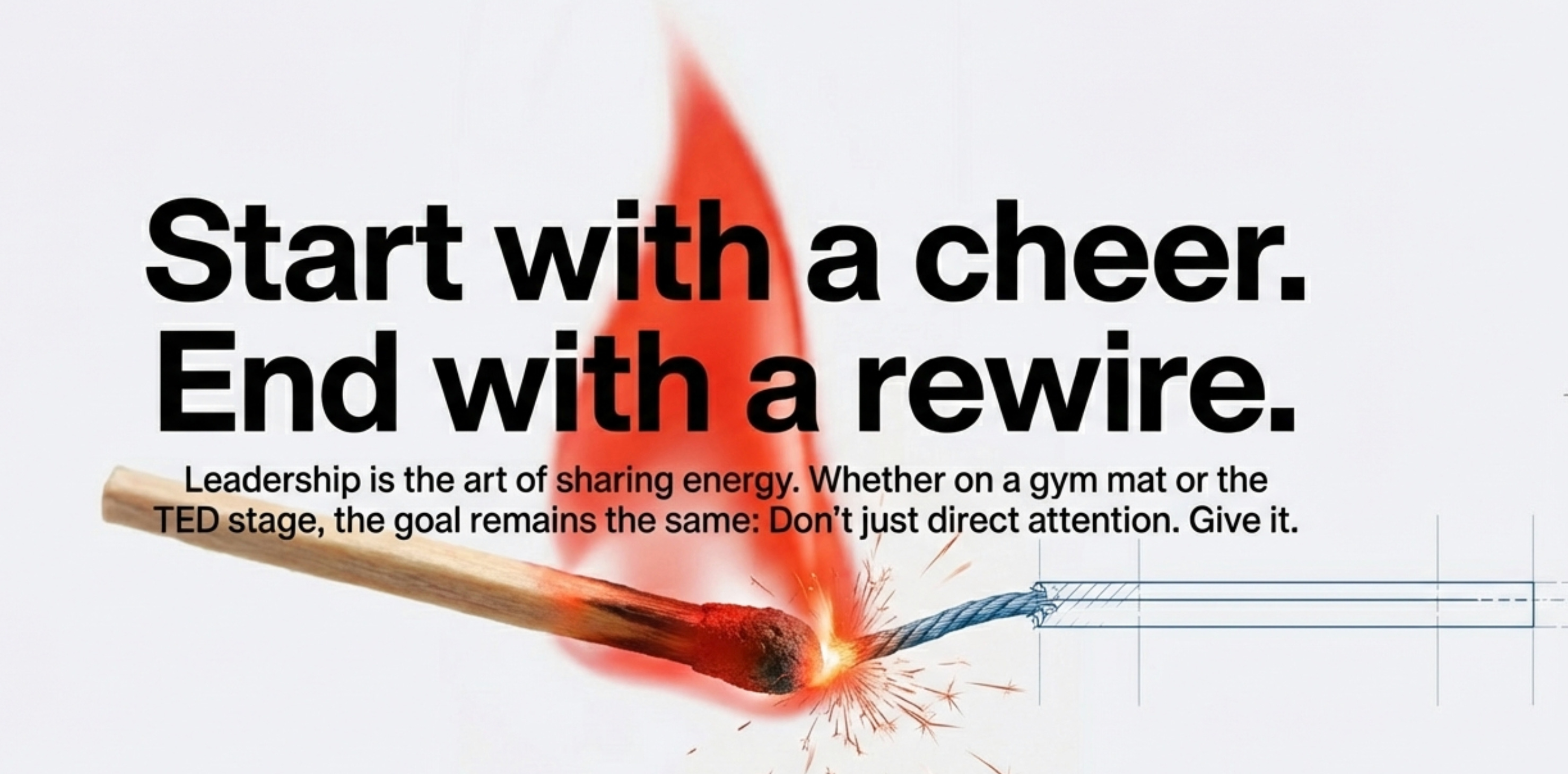
It started with a cheer.
It still does
.
Wisdom Bank: Monique Ruff-Bell
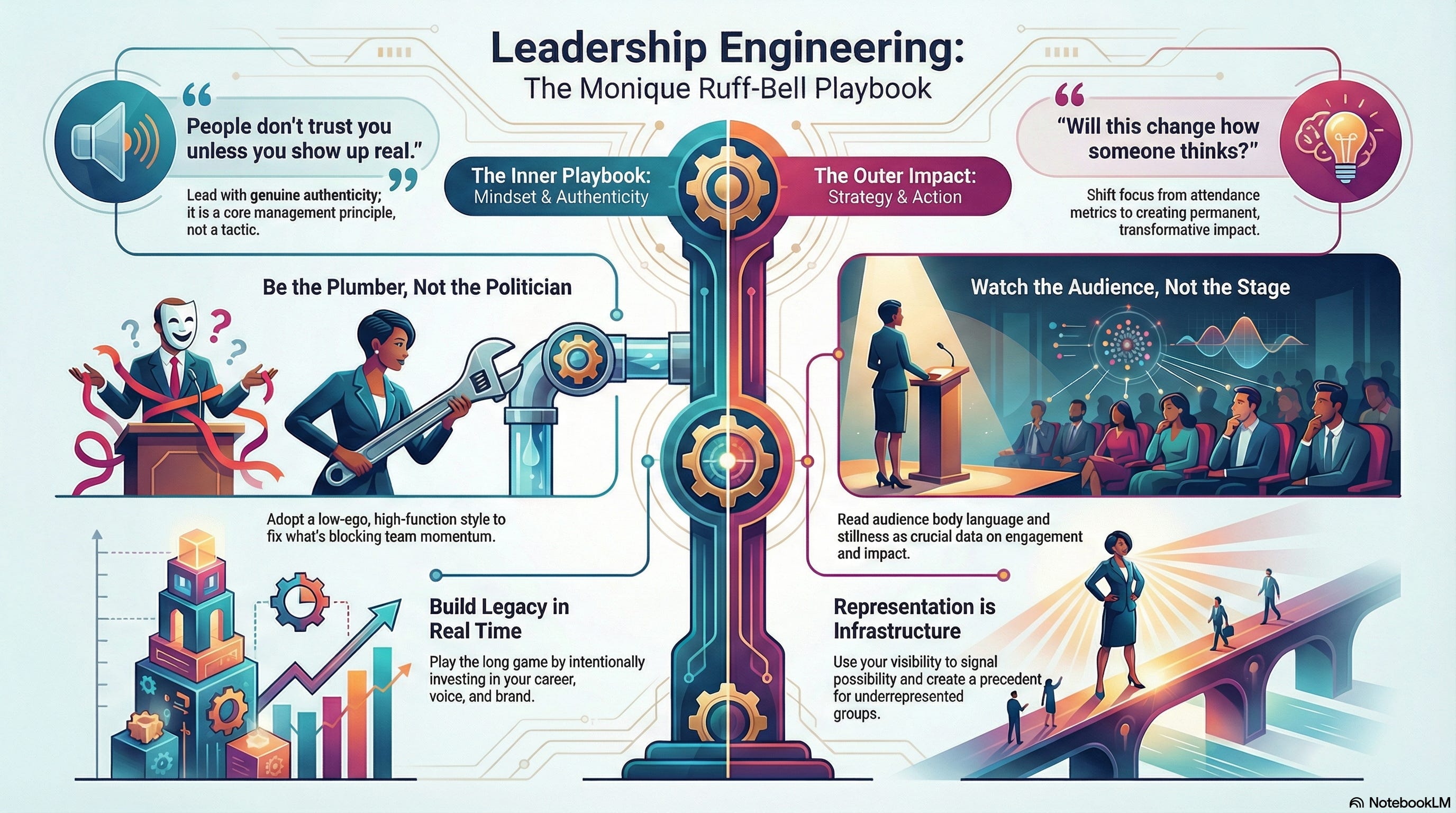
1. Rewire the Room
“If you do it right, people don’t just attend. They remember. They rewire.”
Monique doesn’t measure success by applause or attendance. She measures it by impact permanence—what changes after the lights go down.
2. Lead Without Pretending
“People don’t trust you unless you show up real.”
Her authenticity isn’t a tactic. It’s a management principle. The smile, the candor, the cheerleader energy—it’s all intentional and strategic.
3. Watch the Audience, Not the Stage
“When people are fully immersed, they don’t fidget.”
She reads silence like data, posture like analytics. Whether at TED or Money20/20, her stage POV is pure behavioral insight.
4. Shift from Butts to Brains
“Will this change how someone thinks?”
She left the butts-in-seats era behind. Her events now aim to provoke, reframe, and reroute—starting with ideas, not attendance.
5. Be the Plumber, Not the Politician
“I unclog what’s stuck.”
Her leadership style is low-ego, high-function. She moves teams forward by fixing what blocks flow—no posturing, just plumbing.
6. Build Legacy in Real Time
“I think about present me and future me at the same time.”
She plays long game chess with her career, her brand, and her voice. Visibility wasn’t an accident—it was an investment.
7. Representation is Infrastructure
“You can love this industry, look like me, and belong.”
She doesn’t just show up. She signals possibility. For every underrepresented planner, strategist, or thinker—her presence is precedent.
TEDX has supported so many who did not have a voice but they had the determination and intention to take their ideas and passion to the next level. I admire what she speaks about and how she governs herself and shows up. There is a lot about her that our leaders could learn from. She has and is meeting people where they are and not where she wants them to be. She knows how to listen, show kindness and has empathy. We need more women like her to be role models. this is not about KPI's, it's about leading with purpose and value. Great article David as always.