


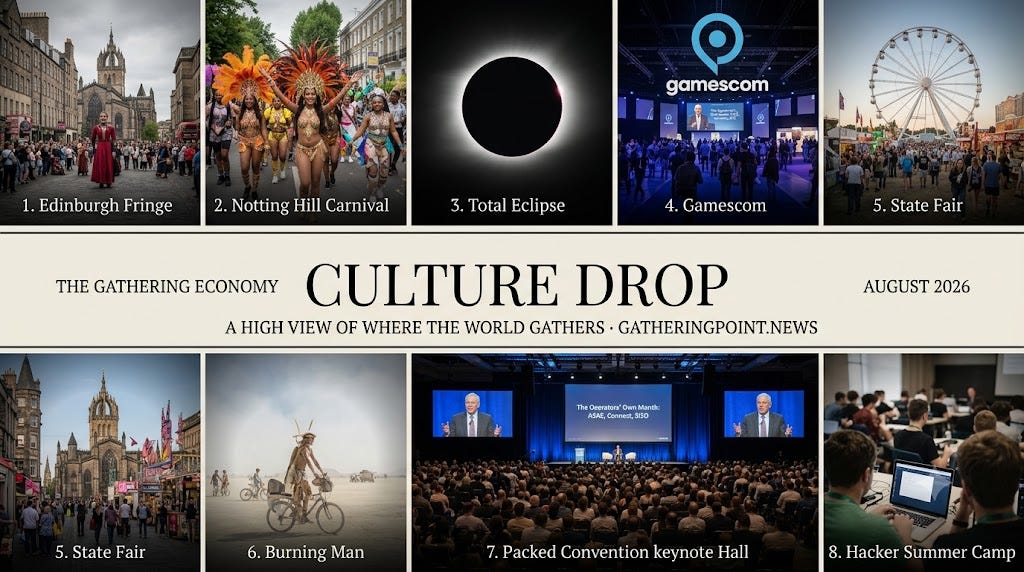
Why we run this every month: the sharpest operators in this business are the ones who take in everything, not just their own lane but the whole field, because that is where the better ideas and the smarter strategy come from. The world the industry works in keeps getting smaller and more connected by the year. The Culture Drop is a finger on its pulse.
The gathering economy likes to imagine it is two industries. One is B2B: trade shows, conferences, corporate meetings, the business of selling to other businesses inside convention halls. The other is B2C: festivals, concerts, consumer spectacle, the business of selling wonder to the public. The people in each tend to believe they are in a different profession from the people in the other. August is the month that argues otherwise.
Look at what they share. The convention center that hosts a cybersecurity conference one week hosts a comic convention the next. The company that builds a festival main stage builds the keynote stage at a corporate summit. A total eclipse over Spain, about as consumer a spectacle as exists, becomes a repositioning problem for the cruise industry’s corporate planners. The crews, the venues, the freight, the labor, and the calendar are shared infrastructure, and when one side has a big month, the other feels it in hotel rates and truck rentals. The stadiums that hosted the World Cup final in July sit mostly empty now, waiting for football and the fall convention season, while the biggest crowds of August gather in places nobody built to last.
That is the first false divide the month dissolves. There is a second, between the permanent venues that carry the debt and the temporary cities that carry the crowds. Start with the temporary ones.
THE CITIES THAT VANISH BY SEPTEMBER
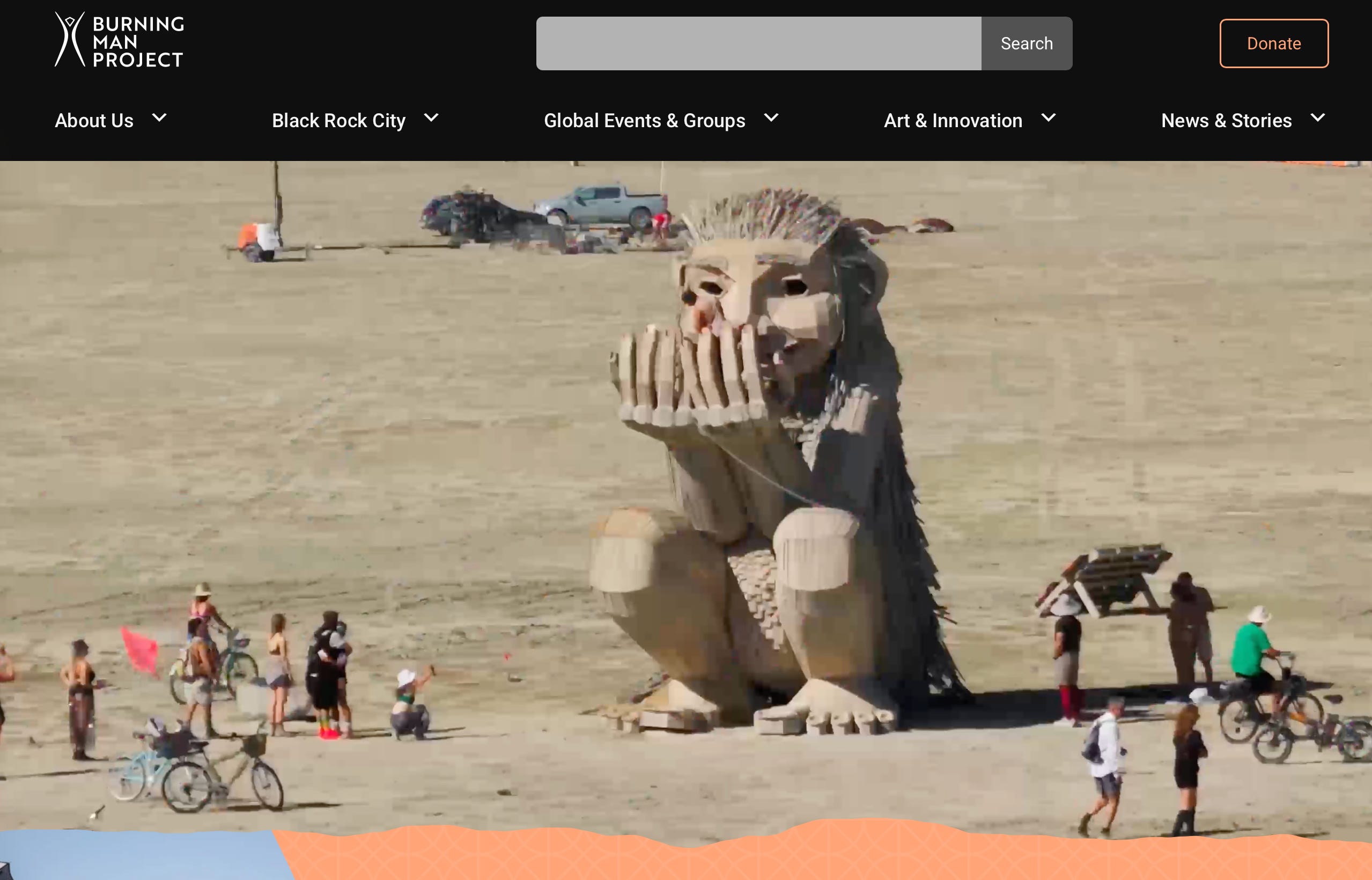
For a few weeks every August, some of the largest population centers on earth are places that did not exist in July and will not exist in September. Burning Man raises Black Rock City out of the Nevada playa on the 30th and holds roughly seventy thousand people through Labor Day before the whole thing is struck to nothing and hauled away, leaving a stretch of desert its own crews are contractually obligated to prove is empty. Sturgis, South Dakota, a town of about seven thousand, absorbs something close to half a million motorcyclists from the 7th through the 16th, most of them housed on private land by promoters who spend the other fifty weeks of the year selling the idea of those ten days. On an island in the Danube, Sziget builds a working festival city for four hundred thousand people between the 11th and the 15th and calls it, without irony, the Island of Freedom.
These are not events in the sense that a keynote is an event. They are municipalities with a shelf life. Someone has to lay the power, truck the water, place the sanitation, run the medical tents, and design the street grid, and then someone has to reverse all of it before the land reverts to whatever it was. The operators who do this work are not in the entertainment business. They are in the business of building and unbuilding cities on a deadline, and August is their peak.
Japan has been doing the same thing longer than anyone. In Aomori, the Nebuta Matsuri runs the 2nd through the 7th and pulls two to three million spectators to watch illuminated floats the size of buildings move through the streets, floats that a year-round guild of craftsmen builds specifically to be paraded once and retired. The economy of an entire northern city bends around a week of gathering. The float is not the product. The convening is.
The most authentic version of the temporary city is the one Americans have been building the longest. The state fairs return in August, and they are not nostalgia. The Iowa State Fair runs the 13th through the 23rd and draws more than a million people to Des Moines to judge livestock, sculpt butter, and eat things on sticks that were never meant to be on sticks. Wisconsin fills its fairgrounds the 6th through the 16th, and Minnesota’s Great Minnesota Get-Together, the biggest of them all by daily attendance, runs from late August into Labor Day. Underneath the spectacle is a working business event that predates the trade show by a century, a place where 4-H kids and seed dealers and equipment reps still do real agricultural commerce. The consumer fair and the industry fair are the same fair. They always were.
EDINBURGH, AND THE MONTH THAT DOES NOT STOP

If Black Rock City is the temporary city at its most extreme, Edinburgh is the temporary city at its most relentless. The Fringe runs the 7th through the 31st, more than three thousand shows across a few hundred venues, most of them rooms that are something else for the other eleven months. The International Festival, the curated high-culture anchor, overlaps it almost exactly and closes on the 30th. For most of August the entire city functions as a single distributed venue, and the people who make it work are the ones nobody photographs: the box-office managers, the accommodation brokers, the technical crews turning over a church hall four times a day.
The same discipline is running elsewhere on the continent. Salzburg holds its festival from the middle of July through the 30th of August and reorders a small Austrian city’s summer around opera. Birmingham hosts the European Athletics Championships from the 10th through the 16th, a stadium build plus a city-center fan zone, the now-standard architecture of a sporting gathering that wants the whole town involved. Glasgow closes its Commonwealth Games on the 2nd, and that one deserves a closer look than it will get, because Glasgow ran the Games without an athletes’ village, housing competitors in hotels and university residences and staging the first indoor opening ceremony. It is the cost-controlled mega-event as a working prototype, and every city that has ever balked at the price of hosting will be studying whether Glasgow’s version actually held.
London closes the month the way it always does, with Notting Hill Carnival on the 30th and 31st: one to two million people in the streets over a bank-holiday weekend, roughly three hundred food licenses, and a policing and road-closure operation that is less a festival than a controlled municipal event at enormous scale. Spain answers on the 26th with La Tomatina in Buñol, a town that has turned a single hour of throwing tomatoes into a ticketed, capacity-capped export product. Twenty thousand people, one hundred fifty tonnes of fruit, one morning. It is the purest demonstration in the calendar that a gathering does not need to last to be worth building.
LAS VEGAS: THE MACHINE THAT NEVER STRIKES THE SET
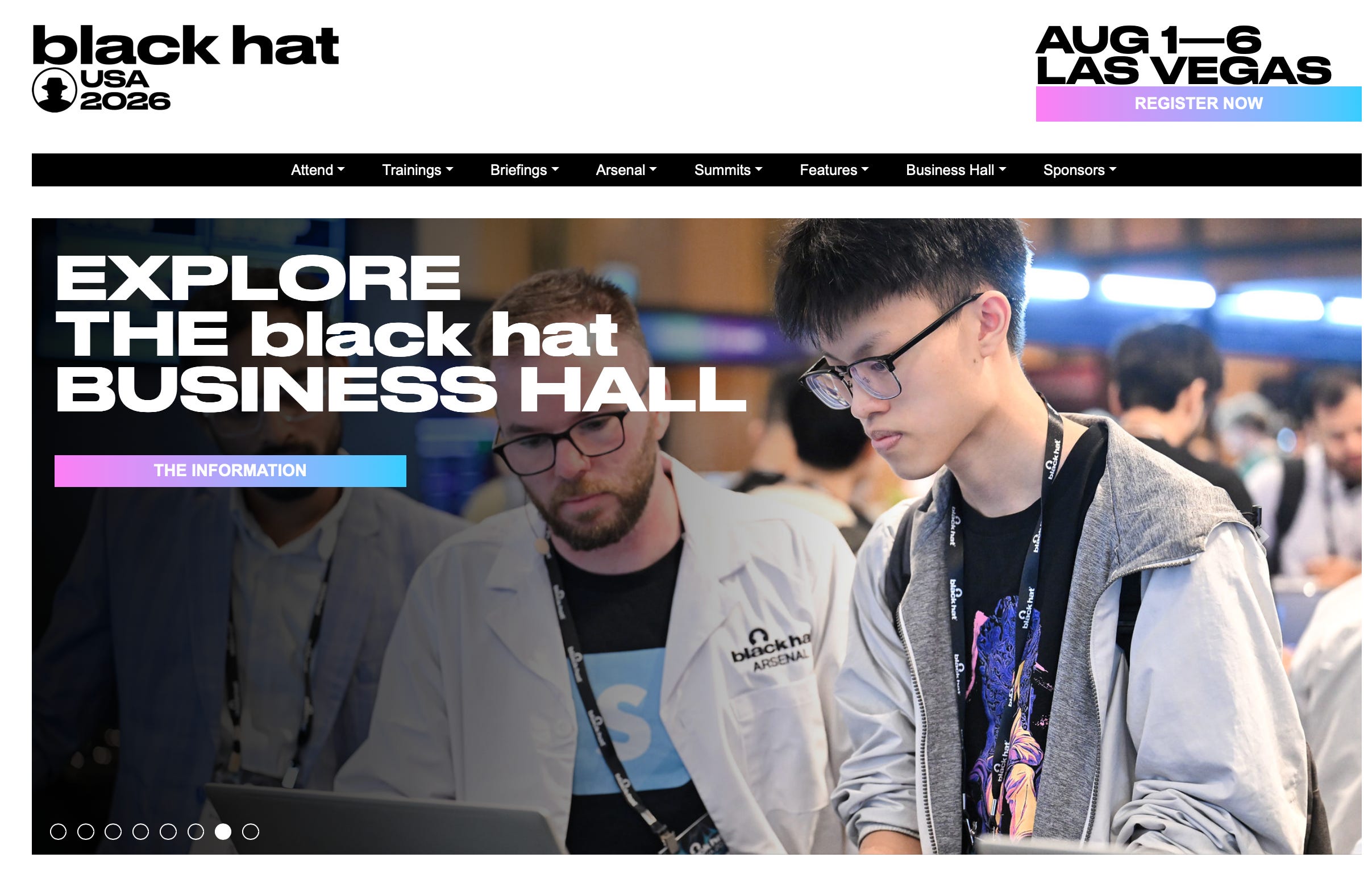
While the rest of the world builds cities that disappear, Las Vegas spends August being the opposite: the permanent gathering machine that simply changes its programming. The first week belongs to what the security industry calls Hacker Summer Camp. Black Hat takes Mandalay Bay from the 1st through the 6th, Ai4 fills the Venetian from the 4th through the 6th billing itself as the largest AI conference in the country, and DEF CON follows at the convention center from the 6th through the 9th. For a week the city’s hotel blocks, meeting halls, and show floors are running tens of thousands of engineers through a schedule that would collapse most destinations. Vegas does not build a temporary city for this. It already is one, and that is the entire proposition it sells.
The contrast is the point. Sturgis and Burning Man exist because their organizers conjure a place out of nothing and then erase it. Las Vegas exists because someone decided, permanently, that the gathering itself would be the municipal economy. Both models work. August is the month you can watch them run side by side.
THE GULF BUILDS INDOORS
Physical openings go quiet in August almost everywhere, and the calendar tells you why. The real ribbon-cuttings cluster in June and July and then again in September, and the deep summer is the trough between them. What August gets is soft launches and seasonal debuts, not grand openings: a Halloween haunt previewing at Universal Orlando on the 28th, an immersive Peaky Blinders attraction opening under the railway arches at London Bridge. The permanent side of the business spends the month loading for the fall. Los Angeles cuts the ribbon on George Lucas’s long-delayed Museum of Narrative Art on the 22nd of September, IHG opens its first all-inclusive Kimpton in the Riviera Maya the same day, and Buffalo plays the first game in its two-billion-dollar stadium on the 17th. August is the pause before all of that.
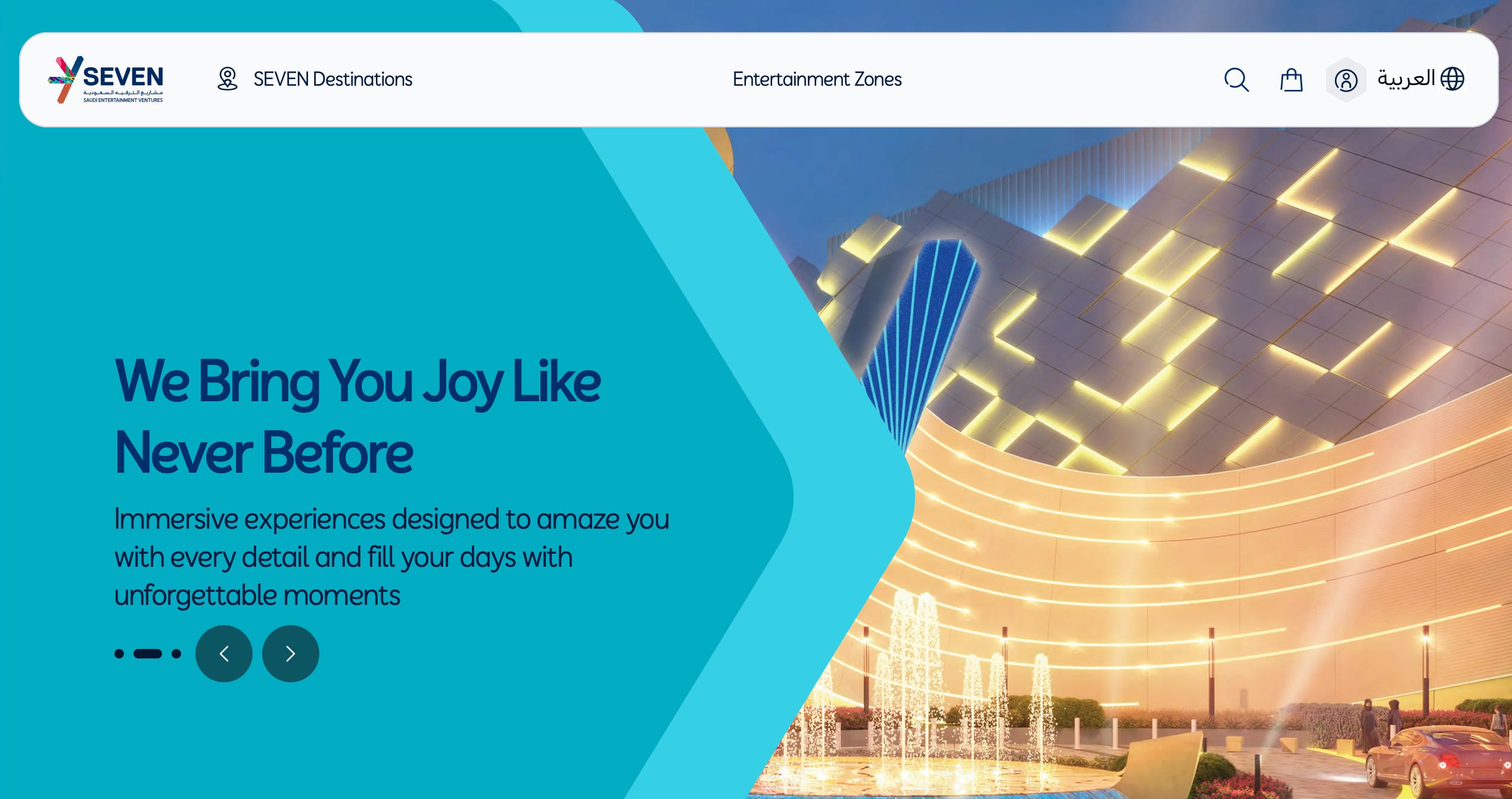
The exception is the Gulf, and the exception is instructive. In Saudi Arabia the outdoor months are unlivable, so the Kingdom is building the gathering indoors. On the 5th of August, the Public Investment Fund’s entertainment arm opens SEVEN Abha, the first completed piece of a fourteen-destination, multi-billion-dollar network of indoor entertainment complexes, and it opens not in Riyadh or Jeddah but in a secondary highland city. That choice is the strategy showing its hand: prove the manufactured-gathering model in a smaller market first, then scale it. Red Sea Global opened Six Senses Amaala in mid-July and continues doubling its resort count through the year. The Gulf’s version of the gathering economy is not organic and does not pretend to be. It is a sovereign wealth fund deciding, from the top down, where people will convene and building the rooms to make it happen.
THE GATHERING NO ONE CAN BUILD
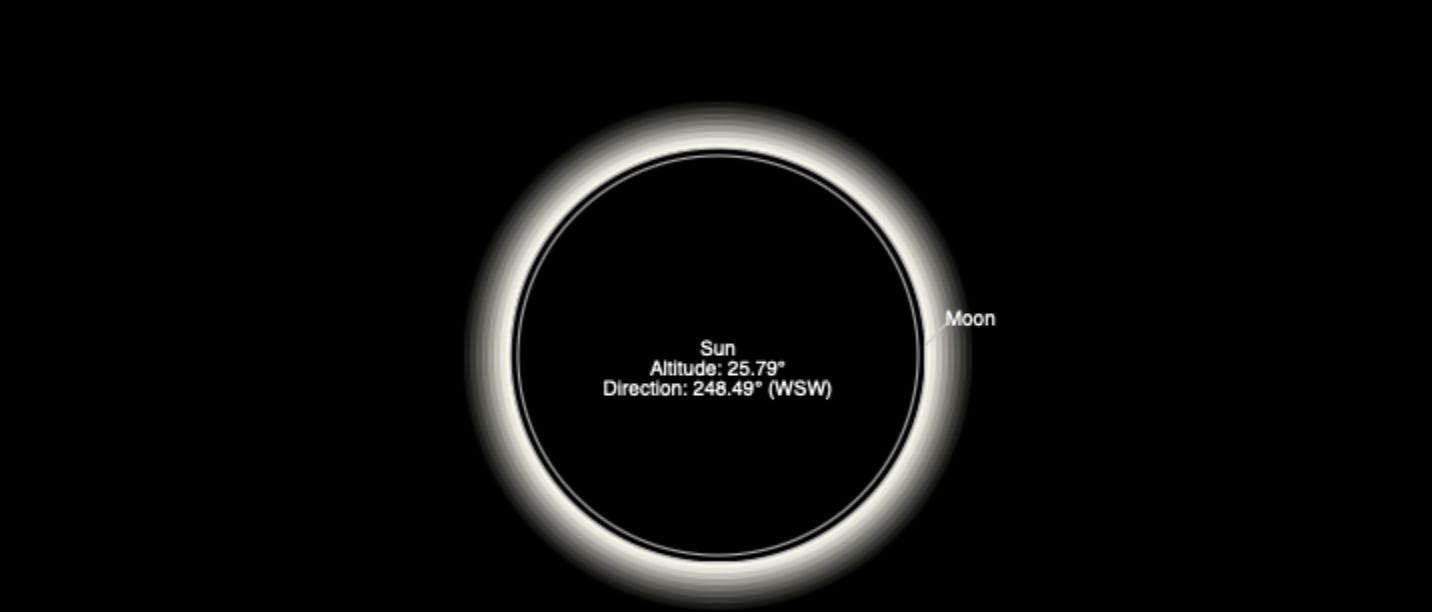
On the 12th of August, for a little over two minutes, the moon’s shadow crosses the North Atlantic and makes landfall over Iceland and northern Spain, and it does the one thing no venue operator can promise: it draws an enormous crowd to an exact place at an exact second, guaranteed, on a schedule set by orbital mechanics rather than a booking calendar. It is the first total solar eclipse over mainland Europe since 2006, and the tourism boards have spent two years selling it. Spain is the prize. The path of totality runs west to east across the north of the country, through Bilbao, Zaragoza, Valencia, and Palma de Mallorca, and it arrives near sunset, which means a low horizon and a dramatic final act. Madrid and Barcelona sit just outside the line and get only a partial. In the gathering economy, a few kilometers is the difference between a sold-out city and an ordinary Wednesday.
The numbers read like a music festival stretched across two countries. Flight bookings to Spain and Iceland for the eclipse week are running about a quarter ahead of last year, hotel rates more than a third higher, and Bilbao’s hotel demand is up more than three hundred percent. An astronomer in Iceland told the press the country will simply be sold out on the day, inside the path of totality and outside it both. Nobody built a stadium for this. The venue is the sky, and the operators are the airlines, the hotels, and the tour companies scrambling to place bodies under two minutes of darkness.
The cruise lines saw it coming first. The real cruise story of August 2026 is not a christening but a repositioning: dozens of ships from Princess, Holland America, Celebrity, Royal Caribbean, Cunard, and the expedition specialists have timed their itineraries to intercept the shadow at sea, where the longest totality falls off Iceland’s west coast. Princess is selling dedicated eclipse voyages with astronomers aboard and glasses in the cabins, and the premium sailings are already posting waitlists. A cruise ship is the purest floating version of the temporary city this whole month is about, a self-contained population that assembles, sails to a coordinate, and disperses. Two genuine new ships debut into the same waters, Explora Journeys’ liquefied-gas-powered Explora III on its Barcelona-to-Lisbon maiden voyage on the 3rd, and Royal Caribbean’s Legend of the Seas, the third of its record-size Icon class and the first based in the Mediterranean rather than Miami. Spain gets to run the whole operation twice more, a total eclipse again in August 2027 and a ring-of-fire annular in January 2028, and the tourism ministry is already selling the trilogy.
THE OPERATORS’ OWN CALENDAR
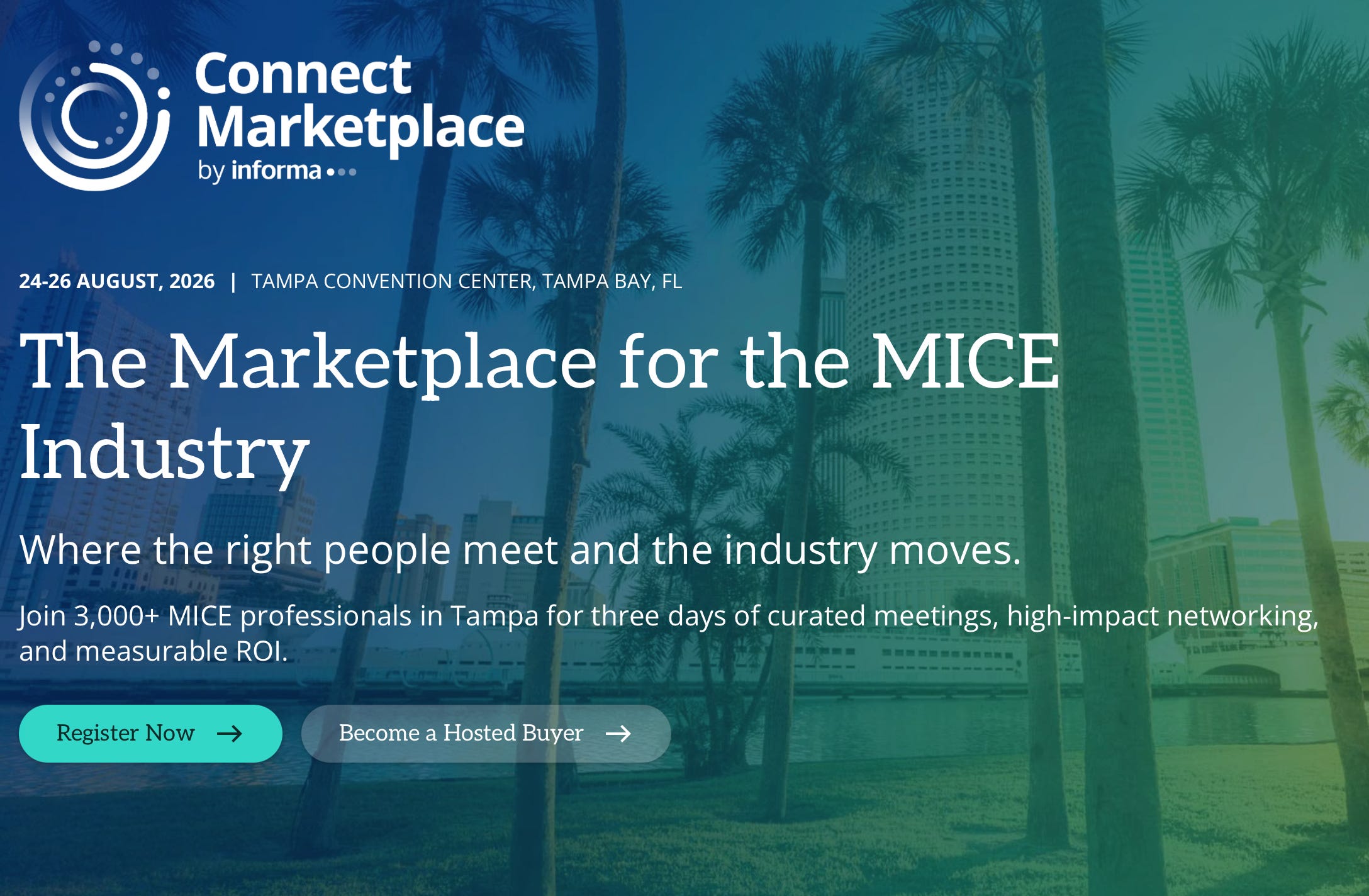
The people who run everyone else’s gatherings get a narrow window in August to hold their own, and they use it. The Corporate Event Marketing Association (CEMA) takes its members, the people who produce the events for the world’s biggest brands, to Toronto from the 9th through the 11th for a summit that is equal parts classroom and dealmaking. The American Society of Association Executives brings six thousand association professionals and the suppliers who court them to Indianapolis from the 15th through the 18th, which is a fitting host city this year: Indianapolis is finishing an eight-hundred-room Signia by Hilton, connected by skywalk to its convention center, that finally closes the headquarters-hotel gap the city has argued about for a decade. The venue that will host conventions is itself the product of one. The show owners get their own turn the same week, when the Society of Independent Show Organizers convenes in Seattle from the 18th through the 20th: not the planners and not the association executives but the operators whose names are on the exhibitions, the people who own the floor. Connect Marketplace takes three thousand meeting planners and suppliers to Tampa from the 24th through the 26th to do the appointment-driven business that keeps the sector’s pipeline full. These are the quiet, consequential weeks before the industry’s marquee shows land in the fall, IMEX in Las Vegas in October and IBTM in Barcelona in November.
Not every August gathering is for sale. Freeman, the company that builds many of the show floors the rest of the industry rents, gathers three hundred of its leaders in Seattle from the 11th through the 13th for Camp Buck, its annual internal meeting on culture, named for the founder who started the company in 1927. It is the rare August gathering whose only product is a company’s own ethos, carried back out through the people who build everyone else’s rooms.
The single largest trade gathering of the month is not in the events industry at all. It is Gamescom, which fills the Koelnmesse in Cologne from the 26th through the 30th and drew three hundred fifty-seven thousand people last year, the biggest attendance figure on the August calendar by a wide margin. Toronto runs Fan Expo Canada the same weekend, north of a hundred thousand attendees, and Munich absorbs one of the world’s largest medical congresses when the European Society of Cardiology arrives from the 28th through the 31st with something close to thirty thousand delegates. The trade-show world does not vanish the way Black Rock City does. It just moves from hall to hall, city to city, month to month, and August is simply its turn in Cologne.
New York catches the handoff at the very end. The US Open opens its gates for Fan Week on the 23rd and runs its qualifying and its record million-plus crowd into September, the last great August-into-autumn gathering, a three-week hospitality operation staged on the same grounds every year. And in East Rutherford, the stadium that emptied out in July sits waiting for September, its bond schedule indifferent to whether anything is happening inside it tonight.
That is what the month exposes. The industry sorts itself into tidy opposites, B2B and B2C, permanent and temporary, the people who sell to businesses and the people who sell to the public, and August respects none of it. The hacker conference and the music festival hire the same rigger. The eclipse that pulls consumers to a Spanish hilltop is a sales quarter for a cruise line. The permanent venues carry the debt and spend the month mostly empty; the temporary cities carry the crowds and vanish. Somewhere in the overlap is the operator who stopped believing the categories and learned to work all of them. By September the playa is swept clean, the Fringe venues are churches again, and the tomatoes have been hosed off the streets of Buñol. The people who made those places will already be pricing out next year.
GatheringPoint covers the people who build the gatherings. Subscribe at GatheringPoint.news.