


Why we run this every month: the sharpest operators in this business are the ones who take in everything, not just their own lane but the whole field, because that is where the better ideas and the smarter strategy come from. The world the industry works in keeps getting smaller and more connected by the year. The Culture Drop is a finger on its pulse.
In Madrid this month, a five-and-a-half-kilometer Formula 1 circuit opens for business inside the grounds of IFEMA, the city’s convention center. The track wraps around exhibition halls that spend fifty other weeks a year hosting trade fairs, uses roads that trade show shuttle buses use every other month of the year, and banks its signature corner, a five-hundred-and-fifty-meter curve called La Monumental, at twenty-four degrees in homage to a bullring. Nobody built a stadium for this. The convention center already existed. Formula 1 simply painted a track around it and called it a Grand Prix.
That is the emblem for the entire month. August was about the world building temporary cities from nothing, Burning Man’s Black Rock City, Sturgis’s motorcycle encampment, and then striking them by Labor Day. September is the opposite instinct entirely. The permanent infrastructure that already exists, the convention centers, the fashion houses, the film festivals, the museums, simply runs harder. Nothing new gets built. Everything that already stands gets used at full capacity, simultaneously, in overlapping weeks, across a handful of cities that stop being able to tell the difference between their trade calendar and their culture calendar.
If summer’s headline event was the World Cup, a tournament that required host cities to build or renovate stadiums for a monthlong tournament, September’s headline events require nothing of the kind. A fashion week needs a runway and a room. A film festival needs a cinema it already owns. A climate summit needs a hotel ballroom. The month argues, city by city, that the gathering economy’s real infrastructure was finished decades ago, and the only thing scarce now is the calendar.
NEW YORK RUNS FIVE CONFERENCES ON ONE CALENDAR
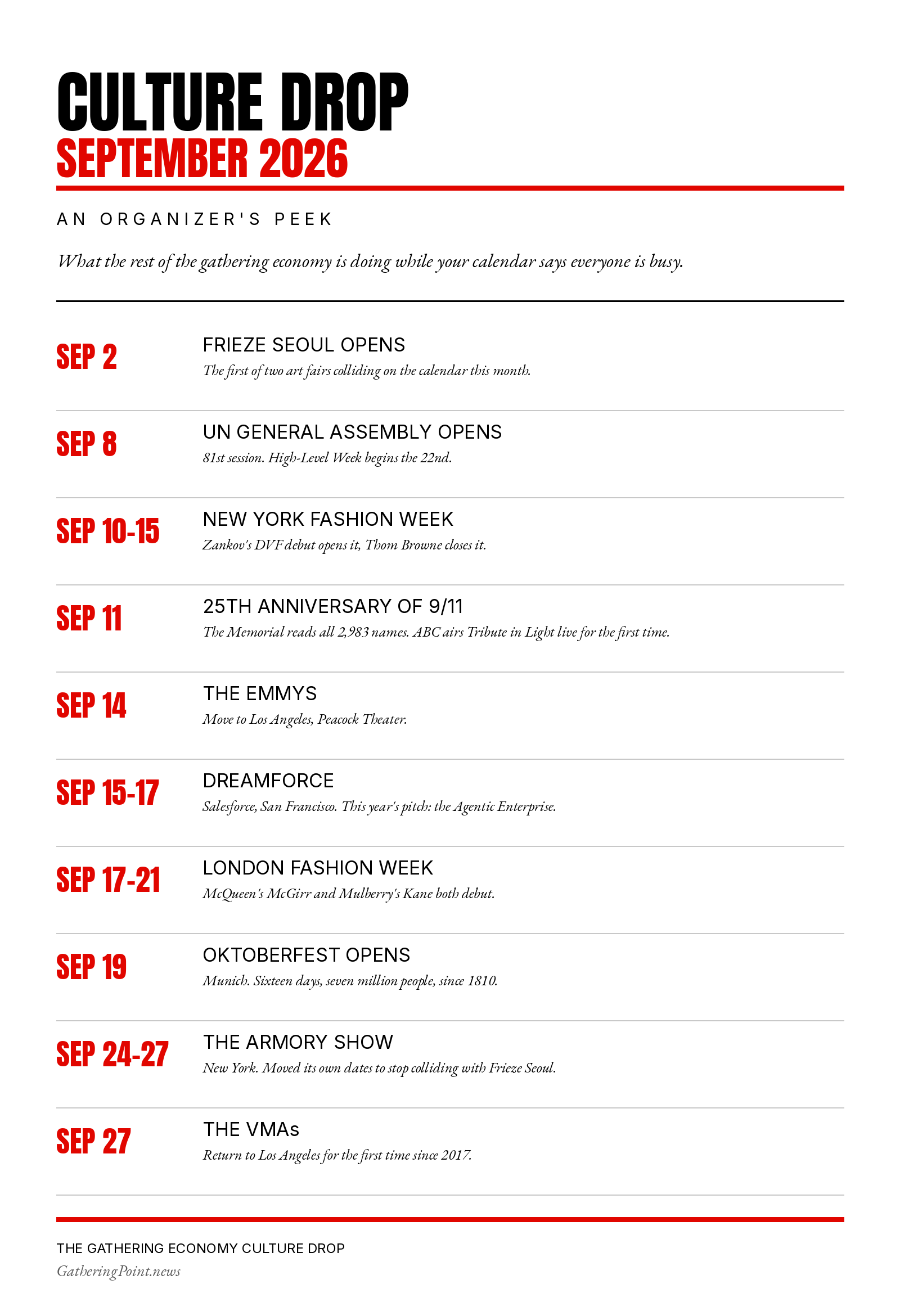
New York does not have one September. It has five, stacked on top of each other, sharing hotel rooms, sharing security perimeters, and sharing the exact same three weeks. The Council of Fashion Designers of America’s official New York Fashion Week schedule runs September 10 through 15, opening with Henry Zankov’s debut as artistic director of Diane von Furstenberg and closing with Thom Browne, seventy runway shows in between. This is the first season under the CFDA’s new fur-free policy.
New York Fashion Week’s Friday, September 11, falls on the twenty-fifth anniversary of the attacks that killed nearly three thousand people in the city hosting those runway shows that same week. The city’s own commemorations run on their own schedule, entirely apart from anything on the trade calendar. The FDNY holds its own ceremony two days earlier, on September 9, at Staten Island’s FerryHawks Stadium, honoring the 343 firefighters who died that morning and the hundreds more lost since to World Trade Center-related illness. At the Memorial plaza downtown on the morning of the 11th, families read aloud the names of all 2,983 victims, a tradition that has not skipped a year since 2002. That night, the Tribute in Light rises over Lower Manhattan as it does every anniversary, except this year ABC is airing it live for the first time, treating the twin beams themselves as the broadcast. None of it needs a place inside anyone’s programming to matter. It is worth stating plainly and separately: this is the date the city built itself around long before any calendar did, and this year, more than most years, it still does.
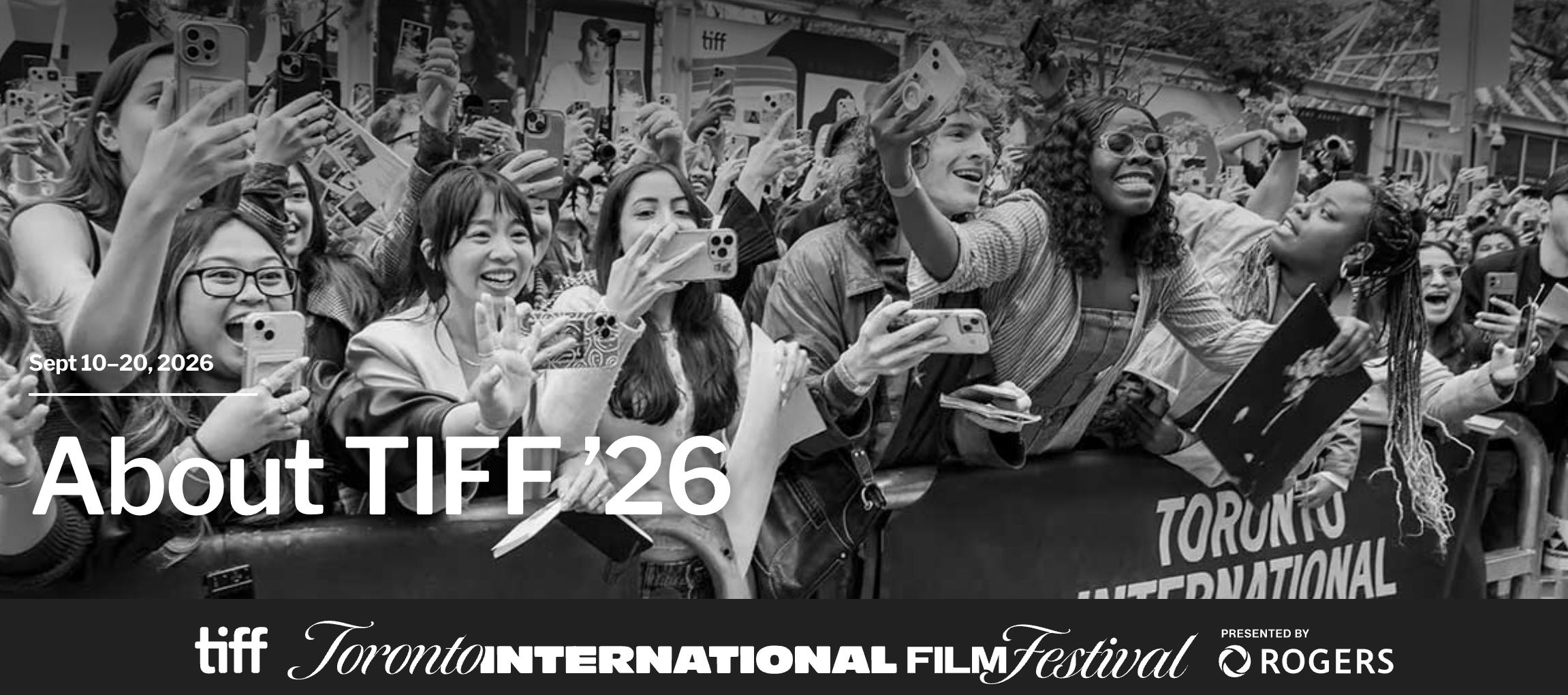
The same week, the Toronto International Film Festival opens two hundred miles north, running September 10 through 20 and launching its first-ever industry market alongside the public festival, a deliberate bet that Toronto can hold its own as a dealmaking floor and not just a premiere stop between Venice and Telluride. Venice itself runs September 2 through 12, with Maggie Gyllenhaal presiding over the main competition jury.
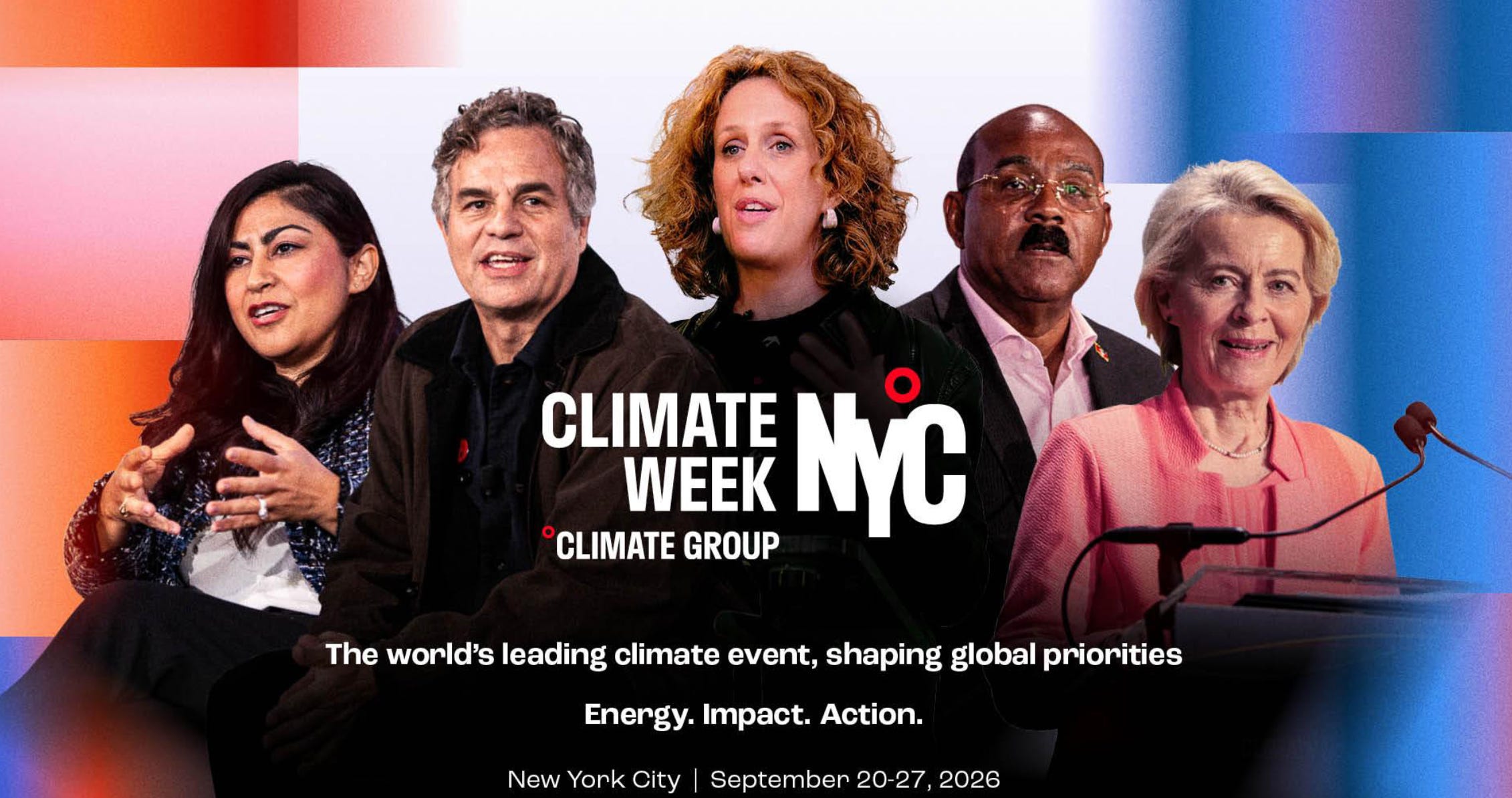
Then New York layers three more calendars on top of that, one of which is bigger than everything else on this list combined, and deserves its own section further down. Climate Week NYC runs September 20 through 27, deliberately timed to overlap with the UN gathering next door, pulling more than a thousand events and, last year, over a hundred thousand participants into the same ten square blocks of Manhattan. The Armory Show, New York’s flagship art fair, closes out the month at the Javits Center from September 24 through 27, having moved its own dates later in the calendar this year specifically to stop colliding with Frieze Seoul, which both fairs’ shared owner now schedules for the first week of the month instead.
Run the math on a single New York hotel room in the last two weeks of September and you are pricing against fashion buyers, film sales agents, heads of state, climate financiers, and art collectors, all bidding for the same inventory in the same ten days. No other city on the calendar asks its infrastructure to hold that many distinct, high-value populations at once, and no other city could. New York’s answer to the question of what September is for is simple: everything, at the same time, whether the room rates like it or not. Don’t be surprised if the city’s marquee properties are quoting north of $1,500 a night before the UN’s own delegations even arrive. For anyone producing something of their own in New York this month, the working assumption should be that hotel blocks, freelance production crews, and even catering vendors are already spoken for by the bigger fish on this list, and the booking window that worked last year closed months ago.
THE GENERAL ASSEMBLY CONVENES WITH THE STAKES RAISED
Of everything landing on New York this month, the opening of the UN General Assembly deserves more than a line item inside a crowded week. The 81st session opens September 8. Outgoing General Assembly President Annalena Baerbock called last year’s session “non-ordinary.” This year has no real claim to ordinary either. Secretary-General António Guterres closes out a decade in the role this cycle, which means the race to succeed him, one of the most consequential personnel decisions in global governance, runs underneath every other item on the agenda and shapes who gets heard and how.
High-Level Week, when heads of state and government take the podium one after another, begins with General Debate on September 22 and runs through the month’s end, closing with a plenary on nuclear disarmament September 29. The Assembly convenes this year against two live and separate crises. In Gaza, a ceasefire brokered under the US-led Comprehensive Plan has held since October 2025, hostages returned, a transitional Board of Peace installed, but Hamas has not disarmed, Israel has not fully withdrawn, and the Security Council’s own briefings describe the truce as fragile rather than settled. Separately, and further east, a war between the United States, Israel, and Iran that opened in February with a strike that killed Iran’s Supreme Leader has cycled through repeated ceasefires since April, each one collapsing within weeks, the Strait of Hormuz alternately blockaded and reopened depending on which week’s truce happens to be holding.
Diplomats will argue, as they do every September, but this year they argue inside a General Assembly that the UN’s own leadership describes as financially threadbare, after the current US administration cut the bulk of its funding, in a moment when several of the Security Council’s most powerful members no longer act as if the Charter’s basic prohibitions on aggression fully bind them. None of it changes the mechanics of the thing itself: a room built for one purpose, getting every government on earth to state its position out loud, in public, where it can be quoted and held to it. This year, more than most, that makes it the least glamorous and most necessary gathering on the entire calendar. It also means anyone running a program on the East Side of Manhattan between the 8th and the 30th is operating inside a rolling security perimeter that expands and contracts with the delegation schedule, not the event calendar, and the smart move is to check the motorcade routes before locking a venue, not after.
THE GULF’S CONFERENCE CALENDAR SURVIVES A WAR
While New York holds its diplomacy indoors, the Gulf spends September finding out whether its own convening economy can survive the conflict sitting on its doorstep. The war between the United States, Israel, and Iran, six months old and still unresolved, has repeatedly closed and reopened the Strait of Hormuz, sent jet fuel prices climbing, and turned Dubai, Doha, and Riyadh into cities where a security briefing is now a standard line item on every event budget. The World Travel and Tourism Council estimates regional tourism losses for 2026 could run as high as thirty-two billion dollars if the disruption continues, with the worst weeks of fighting costing the region an estimated six hundred million dollars a day in lost tourism and event revenue.
The MICE calendar absorbed the damage directly and early. Token2049, the cryptocurrency conference expected to draw fifteen thousand attendees to Dubai, was cancelled outright. The World Economic Forum postponed its Global Collaboration and Growth Meeting out of Jeddah entirely, saying it needed to convene “under conditions that ensure its full strategic impact.” Trade press covering the region counted more than a hundred major events cancelled or indefinitely postponed across Saudi Arabia, the UAE, Qatar, and Bahrain in the crisis’s opening months.
September is where two of the region’s biggest postponed events finally, tentatively, land. Arabian Travel Market, the Gulf’s flagship travel and tourism trade show, was bumped from its original May date and now opens in Dubai on September 14, arriving into a market where Saudi Arabia’s own new Riyadh marketplace, launching twelve days later, is positioned to compete directly for the same buyers. The Arab Media Forum, originally scheduled for April, was pushed to September as well, organizers saying only that the delay would let the event meet its intended scale. Both are, functionally, a test. If a fifteen-thousand-person travel trade show and a flagship regional media conference can run in Dubai in the same month a naval blockade is still being renegotiated a few hundred miles away, the Gulf’s decade-long bet that convening power is its deepest form of soft power holds. If either falters, so does the thesis behind the indoor entertainment buildout this column covered in Saudi Arabia last month. For any organizer with a Gulf booking on the calendar for the rest of the year, ATM’s turnout this month is the leading indicator worth watching more closely than any government statement: it will tell you whether clients and sponsors are actually willing to fly back in, months before your own event forces you to find out the hard way.
There is a quieter unease running underneath the American half of this month too, one that has nothing to do with any single show or fair. November’s midterms are two months out, and the national mood heading into them is sour rather than sharp. Polling through the summer has shown most Americans rating the economy negatively, driven by grocery and housing costs and a lingering worry that gas prices will not come down soon, with control of both chambers of Congress genuinely contested for the first time in years. None of that shows up on a single runway or trade show floor. It shows up earlier, in the sponsorship conversations and the travel approvals that get signed off, or don’t, well before anyone admits the word election had anything to do with the decision.
LONDON DOES FASHION TWICE, THEN ASKS WHY ANYONE STILL TRUSTS A SCREEN
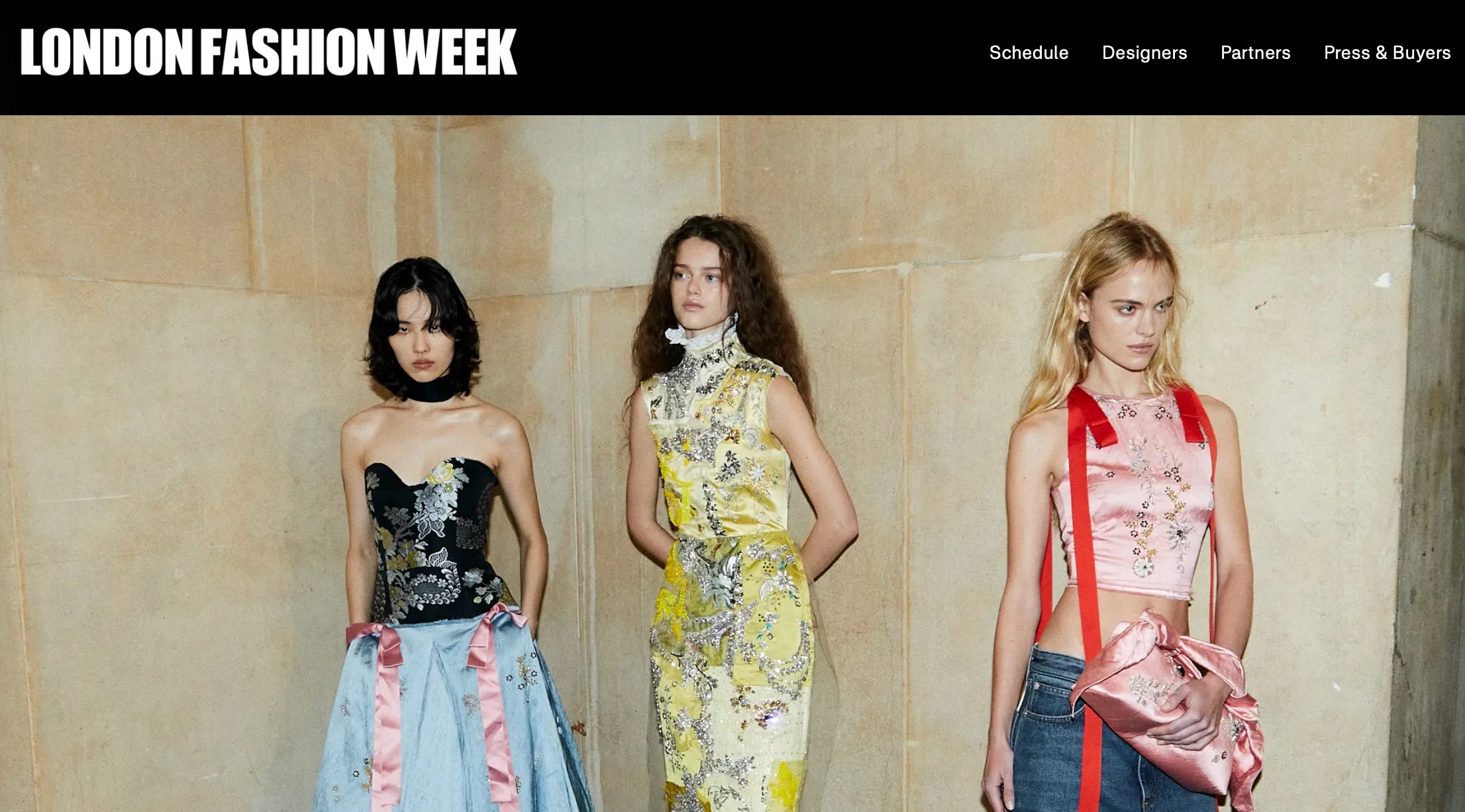
London Fashion Week runs September 17 through 21, and this season carries real weight beyond the runway. Alexander McQueen returns to the official schedule with Seán McGirr presenting his London debut for the house, in both menswear and womenswear. Mulberry returns too, with Christopher Kane debuting as creative director. The week overlaps with London Design Festival and London Textile Month, which means for five days the city is simultaneously arguing about clothes, furniture, and fabric sourcing, three conversations that used to happen in different rooms now happening in the same one.
London’s dining rooms are keeping pace. Blue Note, the New York jazz institution, opens its first UK outpost this fall. A new Persian restaurant from the team behind Nina and Zephyr opens in Marylebone in early September, their largest London project to date. Mayfair’s Cambridge House, the long-hoarded former In and Out Club on Piccadilly, continues its transformation into a hotel anchored by a flagship restaurant from the Major Food Group, the team behind Carbone. London added more new hotel rooms in 2026 than any other market in Europe, and the restaurants opening this month are the leading edge of that build-out finally reaching the dining room.
Underneath the fashion and the food sits a harder industry question, and it is the one worth paying closest attention to this month. The event industry’s own research is now converging on a single finding: the more convincing AI gets at faking things, the more people default to trusting only what they can stand in front of. A survey of experiential marketing professionals conducted on the show floor of this year’s Experiential Marketing Summit found that AI’s biggest effect on the industry was not operational efficiency. It was erosion of trust in every other channel, pushing audiences and brands alike back toward the room. Only a small fraction of respondents described AI purely as an accelerator with no complications attached. Everyone else named the same anxiety in different words: digital saturation, screen fatigue, a generalized suspicion that anything seen on a feed might not be real.
The commercial response to that anxiety is now measurable. Cvent’s research into experiential spending describes a shift from treating live events as a soft, unmeasurable marketing line to treating trust itself as a tracked metric, alongside brand recall and pipeline influence, because boards have started to understand that brand equity is balance sheet value and that you build it through experience, not impressions. The businesses that cut live events in a downturn and then spent twice as much trying to rebuild trust afterward have made that argument for everyone else. London’s experiential agencies, working across festival activations, retail launches, and B2B trade floors, are the ones building the physical proof points now: rooms, objects, and demonstrations designed specifically to be un-fake-able, because un-fake-able is the only currency left that audiences fully believe. That is the design brief worth stealing regardless of category: whatever you produce next, ask whether a skeptical attendee could tell it apart from a slick video of the same thing, and if the honest answer is no, the activation needs more object and less screen.
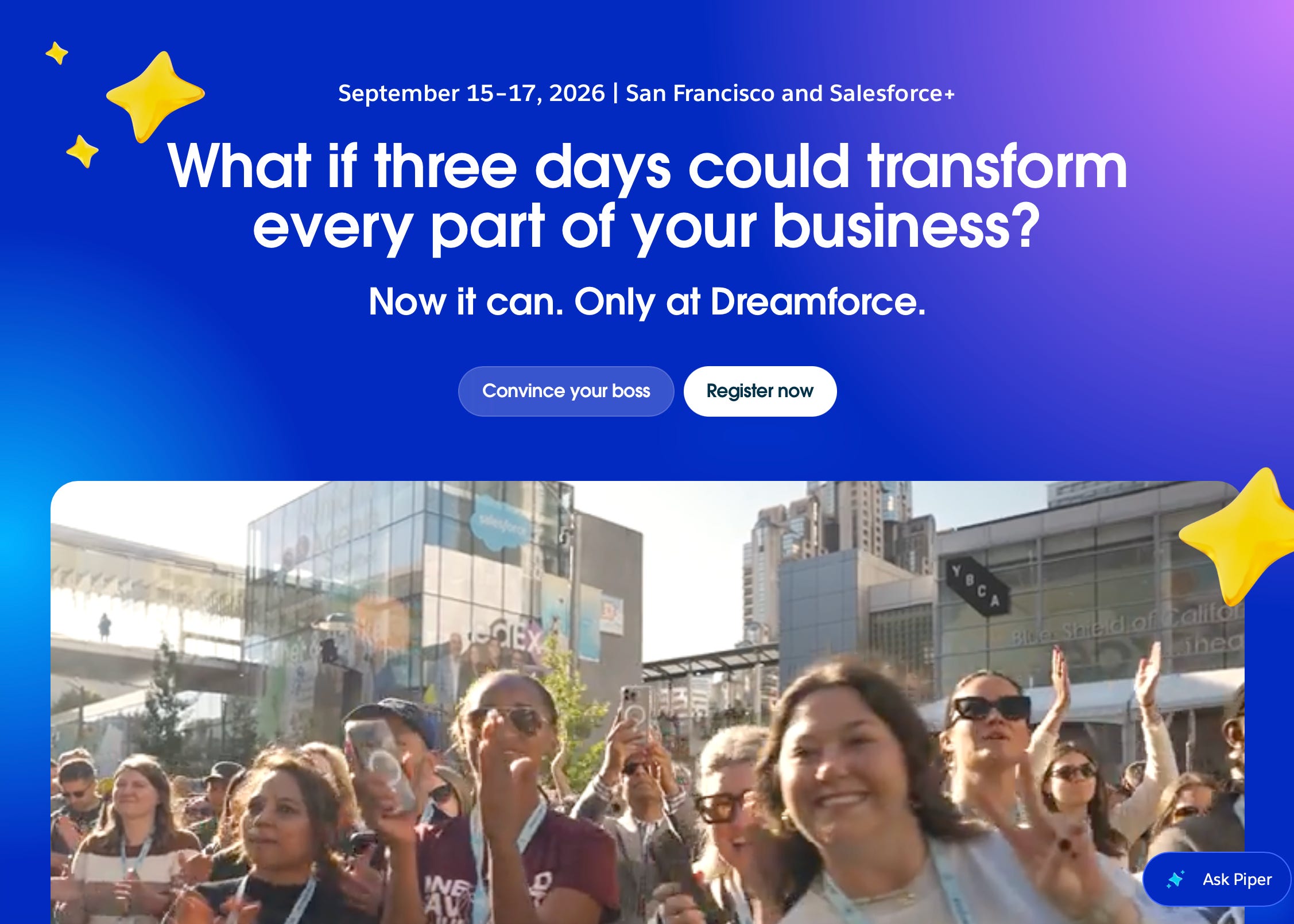
The same instinct is running at enterprise-software scale on the other coast. Dreamforce, Salesforce’s flagship conference, runs September 15 through 17 at Moscone Center in San Francisco, built this year entirely around what the company is calling the Agentic Enterprise, the argument that AI agents are now trustworthy enough to take real action inside a business rather than just suggest what a person should do next. Tens of thousands fly in to see the argument made in person, and keynotes stream free to a global audience on Salesforce+ for anyone who cannot. The three-day production exists to answer a question no amount of product marketing can settle on its own: whether the room actually believes the agents work. That is the identical test London’s experiential agencies are running at festival and retail scale. Dreamforce is running it at enterprise scale, with a much larger revenue line depending on the answer.
The UN General Assembly and Climate Week NYC, the two biggest diplomatic and policy gatherings on the September calendar, still insist on convening physically, in person, in a city, every single year, even though every word spoken in that room could technically be delivered over video. Diplomacy figured out decades before marketing did that some claims only become credible once a body is standing in the room making them. September is the month the rest of the gathering economy caught up to that idea.
THE ART WORLD REROUTES AROUND ITSELF
Frieze Seoul opens September 2, holding its early-month slot at COEX in Gangnam. The Armory Show, New York’s own flagship, used to run its fair the first week after Labor Day, directly on top of Frieze Seoul’s dates, an awkward collision given that Frieze has owned both fairs since 2023. For 2026, the Armory Show’s organizers simply moved, pushing their New York dates back two and a half weeks to September 24 through 27, giving both fairs room to breathe and giving collectors, who increasingly fly between both cities in a single September, a calendar that finally makes the trip possible without missing half of either fair.
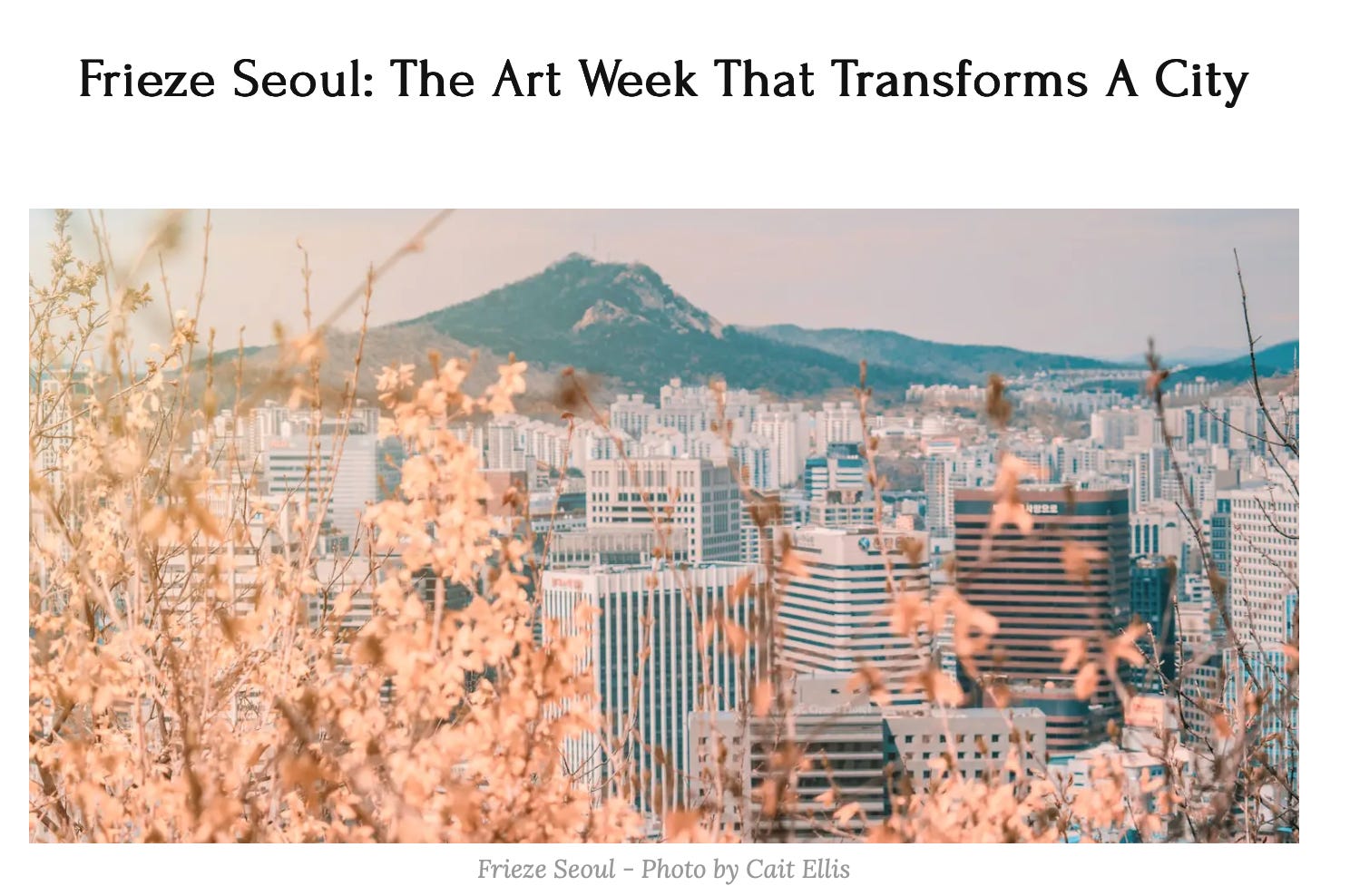
The decision is small. The lesson inside it is not. When one company owns two of the most important fairs on the calendar, scheduling stops being a competitive question and becomes a design question, an admission that even inside a single portfolio, two great events sitting in the same week make both of them worse. The Armory Show’s new dates land it roughly two hundred and thirty galleries deep, an expanded roster leaning into art from the Caribbean and its diaspora, timed now to anchor the true close of New York’s art season rather than compete for oxygen with everything else the city is doing in early September. Most organizers do not own two competing fairs, but everyone in this business owns a date, and this is the reminder to check it against the wider calendar before announcing, not after the tickets are already selling against something bigger.
BERLIN AND MUNICH RUN BACK TO BACK
IFA Berlin runs September 4 through 8, its hundred-and-second year as the definitive consumer electronics show for a global audience, drawing roughly two hundred and twenty thousand visitors from over a hundred and thirty countries to see smart home devices, AI-driven appliances, and gaming hardware laid out across twenty-six exhibition halls. It is B2B sourcing and public spectacle running in the same building at the same time, trade visitors admitted from eight in the morning, families and school groups welcomed by mid-morning, the exact convergence this whole month keeps demonstrating in miniature.
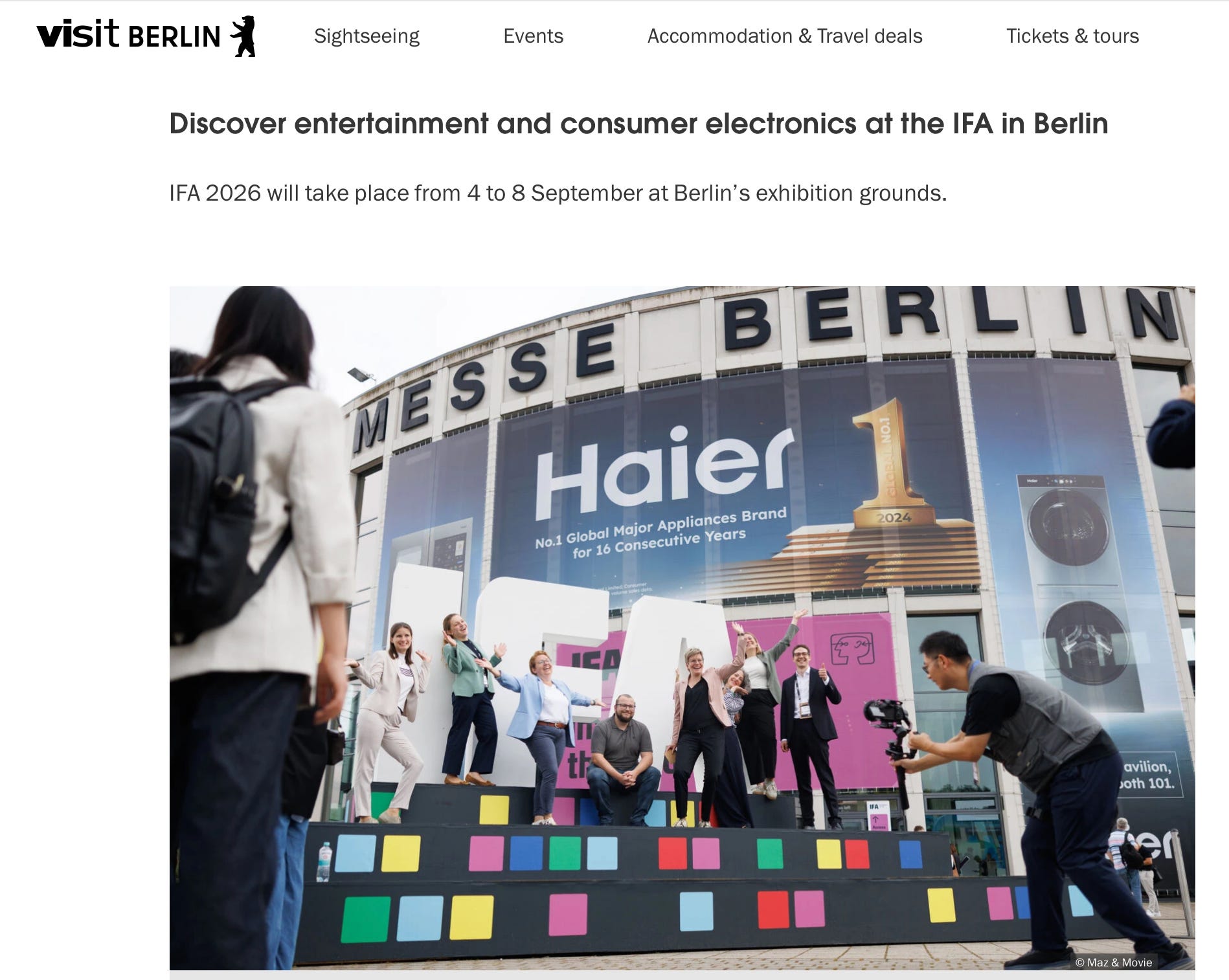
Eleven days later, the same country hosts the opposite kind of gathering entirely. Oktoberfest opens in Munich on September 19 and runs sixteen days into early October, drawing roughly seven million people to drink through more than seven million liters of beer under tents that, structurally, are exactly the kind of temporary city August’s edition of this column was built around. The difference is that Oktoberfest has been doing this every year since 1810, which makes it less a pop-up than an institution that simply happens to be assembled and disassembled annually. Berlin sells the next decade of consumer technology one week. Munich sells the last two centuries of Bavarian tradition the next. Both are trade shows for their respective industries. Only one of them serves beer. Between them they give any organizer a clean before-and-after: study IFA if the job is proving a new category to a skeptical trade audience, study Oktoberfest if the job is running a legacy franchise so well that reinventing it would only hurt it.
HOLLYWOOD MOVES THE PARTY WEST
For years, September’s two biggest television and music award shows lived on the East Coast, the Emmys shuttling between Los Angeles ceremonies but the VMAs anchored at arenas in New York and New Jersey. This year both move decisively to Los Angeles. The 78th Primetime Emmy Awards air September 14 from the Peacock Theater in downtown LA, preceded by the Creative Arts Emmys on September 5 and 6. The MTV Video Music Awards, meanwhile, return to Los Angeles on September 27 for the first time since 2017, ending a run of ceremonies held at UBS Arena on Long Island and the Prudential Center in Newark.
Two marquee franchises relocating to the same coast in the same month, after years anchored on the other one, is the kind of quiet infrastructure decision that reshapes a whole production ecosystem: the lighting crews, the red carpet builders, the security firms, and the after-party venues that used to split their September between two coasts now consolidate around one. New York keeps the fashion, the film market, the diplomacy, and the art fairs. Los Angeles, this year, keeps the cameras pointed at music and television. The month sorts itself by industry as cleanly as it sorts itself by week. For any producer who books union crews, staging vendors, or specialty lighting in either market, this is the year to lock those vendors early: the pool that used to be split two ways just got asked to cover twice the demand in one city, on the same three nights.
MADRID BUILDS A RACETRACK WHERE THE TRADE SHOW USED TO BE

Formula 1’s new Madrid Grand Prix runs September 11 through 13, the sport’s first race in the Spanish capital in forty-five years, and the first time the Spanish Grand Prix has ever run this late in the calendar instead of its traditional spring slot. The Madring circuit is built almost entirely on IFEMA Madrid’s own grounds and the roads around Valdebebas, a hybrid of purpose-built track and public street that puts a Formula 1 podium inside walking distance of loading docks that, most months, are stacked with trade show freight instead of tire barriers. It is under a ten-year agreement that keeps the race in Madrid through 2035.
The scheduling is not incidental either. Madrid runs immediately after the Italian Grand Prix at Monza, September 4 through 6, giving Formula 1 back-to-back European races that turn the first two weekends of the month into a single sustained motorsport tour, freight trucks rolling from one circuit straight to the next. Monza, the sport’s oldest continuously used track, hosting its seventy-fifth Italian Grand Prix, sits in direct contrast to Madring, brand new and still being finished in the weeks before its debut. One circuit represents a hundred years of accumulated infrastructure. The other represents the same industry logic August’s temporary cities ran on: build fast, prove it works, then decide whether it becomes permanent. Anyone weighing whether to retrofit an existing venue for a new format instead of commissioning a purpose-built one now has a live case study to point to, and Madring’s opening weekend is the data point to watch: how the hybrid layout performs under real crowds is the answer to a question most convention centers are quietly asking themselves.
Between Monza and Madrid, the freight trucks, the hospitality crews, and the broadcast rigs all make the same five-day sprint from one country to the next. It is the trade show industry’s own build-strike-rebuild cycle, just running at Formula 1 speed and with better catering.
THE ROOMS THAT OPEN WHILE EVERYONE ELSE IS BUSY
Restaurant and hotel openings do not pause for a month this packed, they simply thread themselves through it. In London, Nakimushi, from the team behind Dorian and Eel Sushi, opens near Notting Hill Gate on September 1, chef Robin Kosuge running the ground-floor ramen bar while Yuji Shimokawa Kelly fires the robata grill upstairs. A Malaysian pop-up from Hakeem and Zura Ahmad moves into a permanent home at The Pilgrm hotel on September 7. These are small openings by design, timed deliberately around, not against, London Fashion Week’s crowds later in the month.
The pattern repeats everywhere the month’s headline events land. New restaurants soft-launch ahead of Fashion Week in New York, ahead of the Armory Show’s opening in the same city three weeks later, ahead of Oktoberfest in Munich, ahead of the Madrid Grand Prix’s first-ever race weekend. None of these openings are trying to compete with the marquee event happening down the street. They are trying to catch its overflow, the fashion buyer who needs a Tuesday dinner reservation, the F1 team executive who needs a place to entertain sponsors on a Thursday before the track even opens. The restaurant and hotel calendar has learned to read the trade show calendar as a demand forecast, and September is the month that forecast pays off hardest.
That is the shape of the month. Not a single stadium built, not a single temporary city raised from nothing, and yet more of the gathering economy’s total annual output happens in these four weeks than in almost any other stretch on the calendar. A convention center becomes a racetrack without adding a single new building. Two art fairs owned by the same company simply agree not to stand on each other’s feet. A jazz club that has operated on one block of Greenwich Village for decades opens a second address across an ocean. The industry that spent August proving it could build a city from sand spends September proving something harder and less photogenic: that the infrastructure it already has, used with enough precision, is more than enough.
If the month has a connecting thread, it is trust, and this September proves the point without needing to argue it. An AI-saturated audience increasingly believes only what it can walk into and touch, and every gathering this month, a runway, a racetrack, a General Assembly chamber where a war is being argued over in real time, a Dubai trade show floor a few hundred miles from a blockaded strait, is making the same unspoken argument: this is real because you are standing here, and someone decided it was worth the risk to show up. Summer’s spectacle needed new stadiums to prove the world was watching. September’s does not need to prove anything. It only needs to open the doors it already has, and this year, in more places than usual, that alone counts as an act of confidence.
For anyone producing something this fall, the practical read of the month is simpler than the cultural one. Every city on this list is running at or past capacity on hotel rooms, crews, and freight, which means the leverage has shifted to whoever locked their dates and vendors first. Every sector on this list is being forced to prove it is real rather than merely well marketed, which means the activations worth copying are the ones built to survive a skeptical walk-through, not a scroll. And every organizer with a stake in a region under strain, whether that is the Gulf’s war-battered conference calendar or New York’s own security perimeter around the UN, now has a live test case running in real time instead of a hypothetical to plan around. Watch what holds. Steal what works. The rest of the industry already is.
GatheringPoint covers the people who build the gatherings. Subscribe at GatheringPoint.news.